Before Algorithms Delivered Headlines: The Kid on a Bike Who Brought the World to Your Door
The 5 AM Entrepreneur
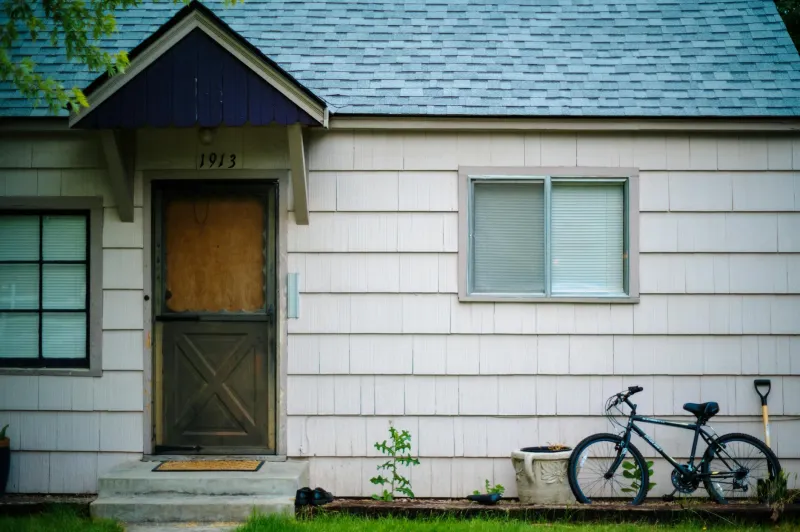
Long before Silicon Valley celebrated teenage startup founders, American neighborhoods were already training young entrepreneurs on two wheels. Every morning at dawn, kids as young as ten would arrive at the newspaper distribution center, count their papers, fold them into throwing-ready cylinders, and head out to serve customers who depended on them for their daily connection to the world.
The paperboy route wasn't just a job—it was a crash course in business ownership. These kids managed inventory, handled customer service, collected payments, and dealt with weather, dogs, and the occasional irate subscriber who complained about a paper landing in the bushes instead of on the porch.
The Art of the Perfect Throw
Delivering papers required genuine skill. A good paperboy could ride no-handed down Elm Street while launching folded newspapers with sniper-like precision onto porches thirty feet away. They learned the aerodynamics of newsprint, the physics of trajectory, and the importance of consistency.
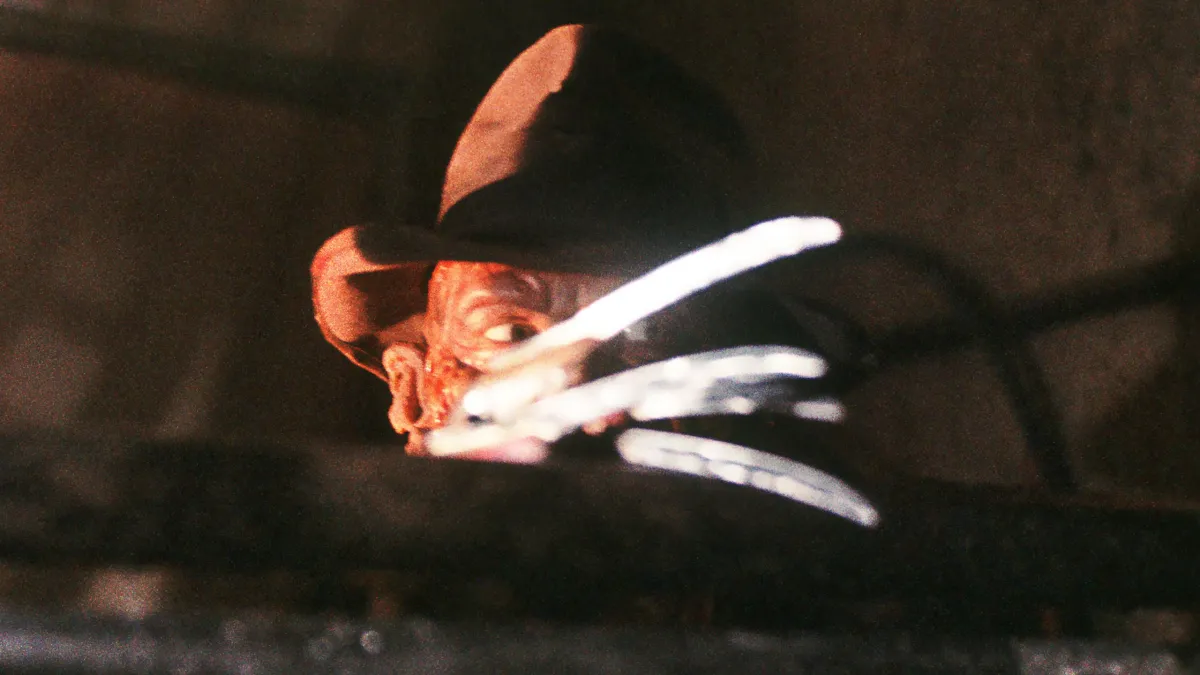 Photo: Elm Street, via images.moviesanywhere.com
More importantly, they learned their customers. Mrs. Henderson liked her paper tucked behind the screen door where it wouldn't get wet. Mr. Thompson worked nights and needed his paper thrown quietly so it wouldn't wake him. The Johnsons had a vicious German Shepherd that required careful timing and a strong throwing arm.
This wasn't mass distribution—it was personalized service at scale, managed entirely by someone who hadn't yet learned to drive.
The Weekly Collection Ritual
Every Thursday or Friday evening, paperboys would retrace their routes with a different mission: collecting payment. This face-to-face interaction created relationships that went far beyond business transactions. Customers knew their paperboy's name, asked about school, and often tipped extra during holidays.
The collection process taught kids lessons business schools now charge thousands to learn. They handled cash, made change, tracked accounts receivable, and diplomatically pursued overdue payments. They learned that Mrs. Patterson always paid exactly on time, while the Millers might need a gentle reminder.
Some customers became genuine mentors, offering career advice, writing college recommendation letters, or providing first job references years later. The paperboy route created a network of adult relationships that extended far beyond the newspaper business.
Weather, Dogs, and Character Building
Paper routes operated in all weather. Rain meant wrapping papers in plastic bags. Snow meant navigating icy sidewalks with a loaded bag. Summer heat meant starting even earlier to beat the sun. There were no sick days, no substitutes, and no excuses that customers would accept.
Dogs presented a particular challenge that required strategy, timing, and occasionally, strategic alliances with mail carriers who knew which houses to approach carefully. Paperboys developed an almost supernatural ability to read canine body language and assess threat levels from a moving bicycle.
These daily challenges built resilience in ways that modern helicopter parenting rarely allows. Kids learned to solve problems independently, manage responsibility without supervision, and understand that other people depended on them.
The Economics of Childhood Enterprise
A typical paper route in the 1970s might serve 80-120 customers, generating $40-60 per month for the paperboy—serious money for a kid, equivalent to $200-300 today. But the real education was in understanding profit margins, customer retention, and the relationship between service quality and income.
Paperboys who consistently delivered good service could build routes worth hundreds of dollars when they eventually sold them to younger kids. The route itself became an asset, a small business that could be bought, sold, and improved through better management.
When News Had Weight and Presence
The physical newspaper created a different relationship with information than today's digital streams. News had literal weight—Sunday papers could weigh several pounds and required different throwing techniques. The newspaper's arrival marked the beginning of the day, a tangible signal that the world beyond your neighborhood had things to tell you.
Families gathered around the breakfast table to share sections, debate editorials, and plan their days around movie listings and weather forecasts. The paper wasn't just information—it was a shared experience that brought families together and gave them common reference points for understanding their world.
The Digital Disruption
Newspaper circulation peaked in the 1980s, and with it, the golden age of the paperboy. As readership declined, routes became less profitable. Liability concerns made newspapers reluctant to employ children. Adult carriers in cars replaced kids on bikes, turning news delivery into just another service industry job rather than a childhood rite of passage.
Meanwhile, the internet was creating entirely new ways to consume news. Why wait for the paperboy when you could get updates instantly? Why read yesterday's sports scores when ESPN.com had real-time statistics? The morning paper began feeling obsolete before it even hit the porch.
 Photo: ESPN.com, via espnpressroom.com
What We Lost in the Translation
Today's news consumption is algorithmically optimized, personalized, and instantly available. We get exactly the information we want, when we want it, delivered to devices that know our preferences better than we know them ourselves.
But we've lost something the paperboy provided: the shared experience of receiving the same information at the same time as our neighbors. We've lost the serendipity of discovering stories we weren't looking for, buried on page six of the local section. We've lost the patience that came with waiting for news, and the appreciation that came with its physical delivery.
The Entrepreneurship Gap
Perhaps most significantly, we've lost a training ground for young entrepreneurs. The paper route taught kids lessons about customer service, financial responsibility, and work ethic that no amount of classroom instruction could replicate. It was a low-stakes environment where failure meant disappointed customers, not business bankruptcy.
Today's kids have fewer opportunities for real responsibility and independent problem-solving. We've optimized childhood for safety and supervision, eliminating many of the experiences that once built character and confidence.
The paperboy's bicycle may be gathering dust in someone's garage, but the lessons learned on those early morning routes—responsibility, perseverance, and the satisfaction of serving your community—remain as valuable as ever.