The Grease-Stained Time Machine: How Handwritten Recipes Carried Love Across Generations
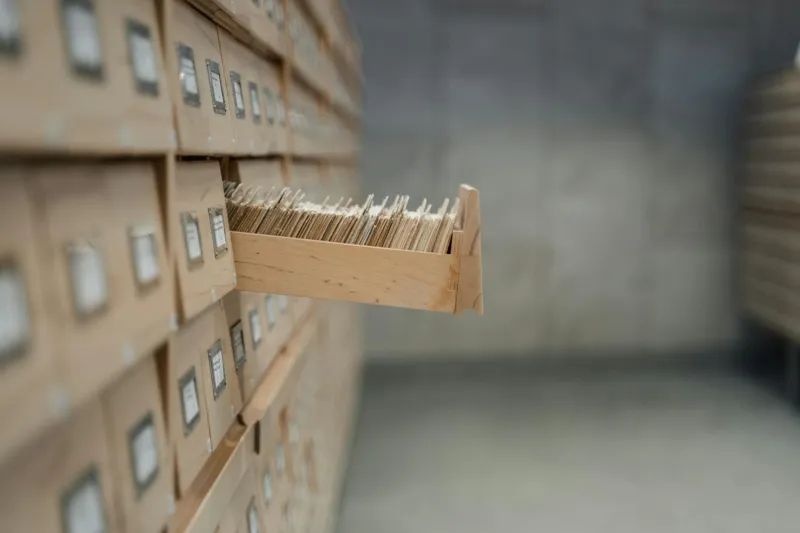
The Sacred Kitchen Archive
In kitchen drawers across America, small wooden boxes and metal tins once held treasures more valuable than any cookbook: handwritten recipe cards that carried the culinary DNA of entire families. These weren't pristine instruction manuals—they were battle-scarred documents, stained with vanilla extract and dusted with flour, bearing the fingerprints of multiple generations who had touched, used, and modified them over decades.
Each card told multiple stories. The faded blue ink of Grandmother's Palmer Method penmanship. The urgent scrawl added by Aunt Helen during a hurried phone call. The careful pencil corrections made after years of trial and error. These weren't just recipes—they were family history written in shorthand, preserved in the most intimate space of American homes.
When Cooking Instructions Came With Character
Handwritten recipes carried personality in ways that digital instructions never could. You could tell who wrote what by the handwriting style—Grandmother's careful cursive, Mother's efficient print, or the barely legible notes scribbled by teenage cousins learning to cook.
The language itself revealed character. Some family cooks wrote with scientific precision: "Cream butter and sugar for exactly 3 minutes." Others relied on intuition: "Add flour until it feels right" or "Bake until golden and your kitchen smells like heaven." The most treasured cards included personal commentary: "Don't overbake like I did for the church social" or "Dad's favorite—make double batch."
These annotations created a conversation across time, with each cook adding their own discoveries and warnings for future generations.
The Physical Memory of Food
The recipe cards themselves became artifacts of family meals. Chocolate stains on the brownie recipe. Flour fingerprints on the bread card. Grease spots that marked the most-used dishes. These weren't signs of carelessness—they were proof of love, evidence that these recipes had fed real people at real tables.
Some cards were so worn that corners had torn off, edges had curled, and ink had faded to barely readable ghosts. But families guarded these damaged cards like precious documents because they represented something irreplaceable: the accumulated wisdom of women (and occasional men) who had cooked these dishes hundreds of times.
The Art of Culinary Translation
Handwritten recipes required interpretation skills that modern cooks have largely lost. Measurements like "a coffee cup of flour" meant you needed to know which coffee cup—Grandmother's delicate china or the sturdy ceramic mug? "A pinch" varied depending on whose fingers were doing the pinching.
The most challenging recipes included no measurements at all, just cryptic instructions like "enough milk to make it right" or "sugar to taste." Learning to cook from these cards meant apprenticing yourself to family tradition, calling older relatives for clarification, and developing the intuitive cooking sense that came from understanding ingredients rather than just following directions.
The Social Network of Recipe Exchange
Before social media, recipe sharing happened through an informal network of handwritten cards passed between friends, neighbors, and family members. The most coveted recipes traveled slowly through communities, copied by hand at kitchen tables during coffee visits or church socials.
Receiving someone's handwritten recipe was a gesture of trust and friendship. It meant they valued your cooking enough to share their secrets, and they trusted you to treat their family tradition with respect. The physical act of copying a recipe by hand created a connection between cook and ingredient that typing never could replicate.
Women (and they were mostly women) would arrive at potluck dinners with small notebooks, ready to copy down the recipe for whatever dish had impressed them most. The exchange was social, personal, and invested with meaning that went far beyond mere instruction.
When Perfection Wasn't the Point
Handwritten recipes celebrated imperfection in ways that modern food culture struggles to understand. Crossed-out ingredients showed the evolution of dishes over time. Multiple versions of the same recipe on different cards revealed how families adapted traditional dishes to changing tastes, available ingredients, or dietary needs.
These cards documented the reality of home cooking: substitutions made when the store was out of something, modifications for picky eaters, adjustments for high altitude or humid weather. The recipes lived and breathed, changing with the families that used them.
The Digital Revolution in the Kitchen
The internet transformed recipe culture almost overnight. Suddenly, instead of waiting to copy Aunt Martha's famous pie recipe at the next family gathering, you could search for "best apple pie recipe" and choose from thousands of options, complete with photos, reviews, and nutritional information.
Food blogs democratized culinary expertise, letting anyone with a camera and an opinion become a recipe developer. Pinterest created vast digital collections that made physical recipe boxes seem quaint and inefficient. YouTube tutorials showed exactly how techniques should look, eliminating the guesswork that had once made cooking an art as much as a science.
What the Cloud Can't Capture
Modern recipe apps offer features that would have amazed previous generations: automatic grocery lists, timer integration, portion scaling, and nutritional analysis. You can access thousands of recipes instantly, search by ingredient or dietary restriction, and never worry about losing a treasured family formula.
But digital recipes, for all their convenience, lack the emotional resonance of their handwritten predecessors. A Pinterest board doesn't carry the weight of family history. A food blog post, no matter how detailed, can't replicate the intimacy of learning to cook from cards written by someone who loved you.
The most profound loss may be the stories that lived between the lines of handwritten recipes—the context that made each dish meaningful beyond its mere ingredients and instructions.
The Inheritance We Stopped Passing Down
Handwritten recipe cards were more than cooking instructions; they were inheritance documents that passed down family identity through food. They connected generations through shared tastes, common struggles with temperamental ovens, and the accumulated wisdom of women who had fed their families through depression, war, and celebration.
When families stopped maintaining recipe boxes, they lost more than cooking instructions—they lost a tangible connection to their past, a physical reminder of the hands that had prepared the meals that shaped their childhood memories.
The Irreplaceable Human Touch
In our rush toward digital efficiency, we've gained incredible convenience but lost something harder to quantify: the human touch that made cooking personal. Today's recipes are optimized for success, tested by professionals, and formatted for clarity.
But they can't replicate the love that lived in Grandmother's shaky handwriting, the trust implicit in a friend's shared secret ingredient, or the family history embedded in a flour-dusted card that had guided Sunday dinners for fifty years.
Somewhere in America's kitchen drawers, a few recipe boxes still hold these treasures—grease-stained time machines that carry the flavors of the past into an increasingly digital future.