Grandma's Secret Ingredient Was Memory: How America's Kitchen Wisdom Disappeared Into the Digital Cloud
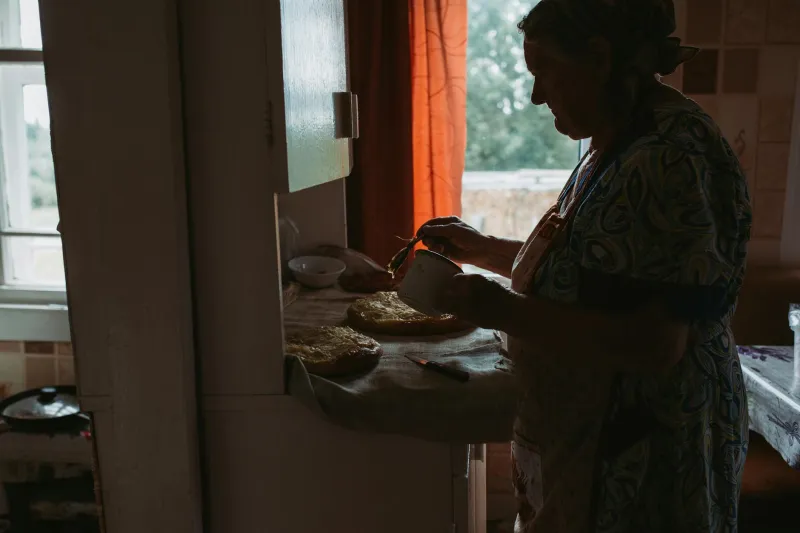
The Recipe Box That Held Four Generations
In 1962, when Susan Martinez opened her grandmother's wooden recipe box after the funeral, she discovered more than just cooking instructions. Tucked between cards for "Abuela's Tamales" and "Sunday Pot Roast" were fragments of family history: grocery receipts from 1943, a note about doubling the recipe "when the Johnsons come for Christmas," and her great-grandmother's shaky handwriting explaining how to substitute ingredients "during the rationing."
That recipe box represented something modern America has quietly lost: cooking as living memory, where every dish carried the DNA of the family that made it.
When Cooking Was Ancestry, Not Algorithm
For most of American history, culinary knowledge flowed through bloodlines like eye color or political affiliation. Mothers taught daughters not just how much flour to use, but when the dough "felt right" between your fingers. Grandmothers stood behind granddaughters, guiding their hands as they learned to fold pierogi or roll biscuits.
These weren't just cooking lessons—they were inheritance ceremonies. Every family developed its own variations, born from available ingredients, regional preferences, and pure accident. The Kowalski family's pierogi used farmer's cheese because that's what was available in their Pennsylvania mining town. The Williams family's cornbread was slightly sweet because Great-Aunt Ruby once added too much molasses and everyone loved it.
Recipe cards became archaeological records. Stained with decades of use, annotated with discoveries ("add extra vanilla!"), and modified for changing circumstances ("use margarine when butter's too expensive"), they documented not just what a family ate, but how they lived.
The Handwritten Archive
These weren't professionally printed cards. They were index cards covered in ballpoint pen, pencil, and sometimes crayon when a child helped copy. The handwriting itself told stories—shaky letters from arthritic hands, careful script from recent immigrants translating family recipes into English, hurried scrawls from busy mothers stealing moments between chores.
Margins overflowed with crucial intelligence: "Don't make this when it's humid," "Uncle Frank likes extra pepper," "Good for potluck—makes a lot." These notes represented decades of trial and error, family feedback, and seasonal adjustments that no cookbook could capture.
When Kitchens Had No Backup Plan
Cooking from family recipes required real skill. Without YouTube tutorials or step-by-step photos, you learned by watching, failing, and trying again. If Grandma said "cook until done," you had to develop the intuition to know what "done" looked like, smelled like, felt like.
This system produced confident cooks who could improvise, substitute, and rescue disasters. When the store was out of buttermilk, they knew to add vinegar to regular milk. When the cake fell, they turned it into trifle. Cooking was jazz, not classical music—built on a foundation solid enough to support endless improvisation.
The Digital Revolution That Erased Everything
Somewhere between 1995 and 2010, America's kitchen memory moved to the cloud. Recipe websites promised infinite variety and professional results. Food blogs offered step-by-step photos and exact timing. YouTube channels provided visual instruction that surpassed anything a grandmother could demonstrate.
The change seemed purely beneficial. Why struggle with Aunt Helen's cryptic instructions for apple pie when you could follow a tested recipe with HD video? Why limit yourself to family dishes when you could access cuisines from around the world?
What We Gained and Lost
Today's home cooks have access to culinary knowledge that would have seemed magical to previous generations. You can learn to make authentic Thai curry from a Bangkok chef, master French pastry techniques from Le Cordon Bleu graduates, or follow along as professional bakers explain the science behind perfect bread.
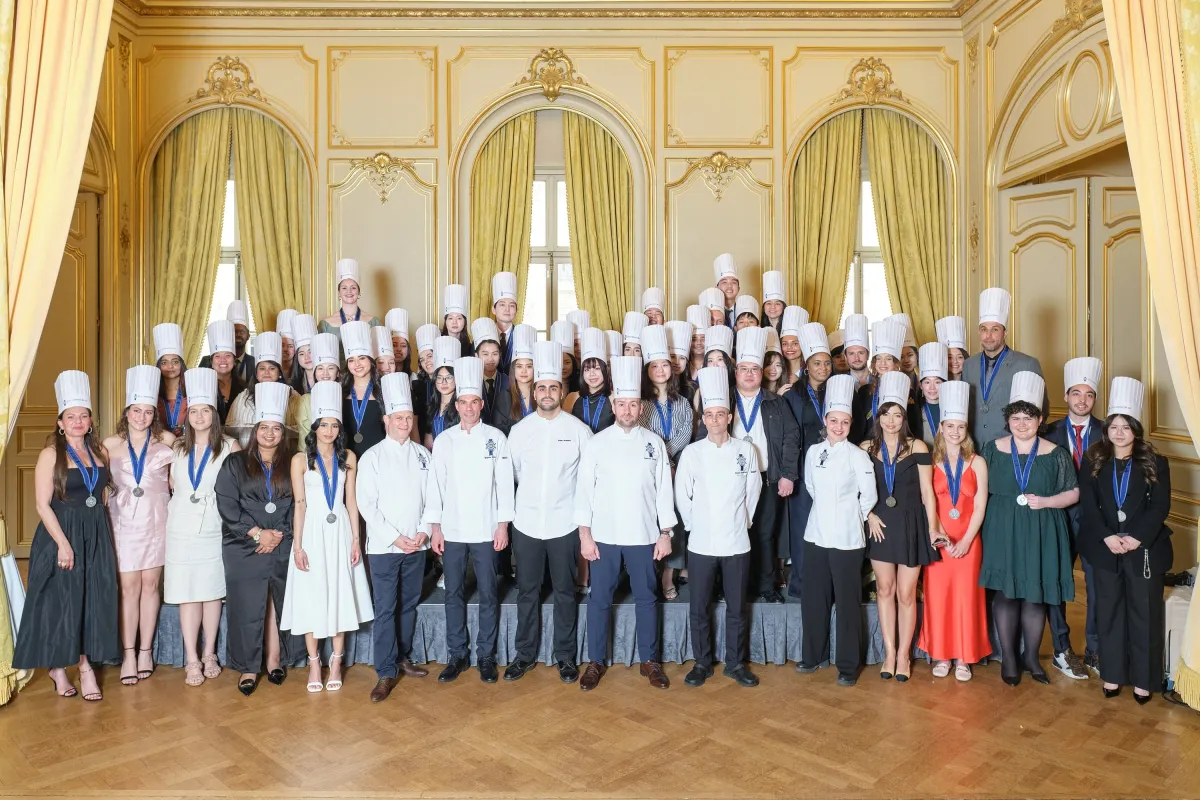 Photo: Le Cordon Bleu, via static.cordonbleu.edu
Meal kit services deliver pre-portioned ingredients with foolproof instructions. Apps suggest recipes based on what's in your refrigerator. Voice assistants read instructions hands-free while you cook.
But something fundamental changed. Cooking became consumption rather than creation. Instead of developing family traditions, we follow trending recipes. Instead of learning techniques that transfer across dishes, we execute specific instructions. Instead of building intuition through repetition and failure, we rely on external guidance for every decision.
The Homogenization of Taste
Walk through any American suburb today and you'll smell the same dinner cooking in multiple kitchens—not because neighbors coordinated, but because they're all following the same viral recipe. The algorithmic recommendation systems that suggest what to cook next are creating a kind of culinary monoculture, where regional and family variations slowly disappear.
The recipe cards that once made every family's cooking unique have been replaced by shared Pinterest boards and bookmarked websites. We've traded the beautiful imperfection of inherited knowledge for the reliable perfection of professional instruction.
The Irreplaceable Loss
You can't Google the way your grandmother's hands moved when she kneaded bread, or the stories she told while stirring soup, or the specific way she said "just a pinch" that somehow conveyed the exact right amount. You can't download the muscle memory that came from making the same dish dozens of times, or the confidence that grew from learning to cook by feel rather than measurement.
Most significantly, you can't replicate the emotional connection between food and family that made every inherited recipe a form of love made edible.
What We're Still Searching For
The popularity of cooking shows, food blogs, and celebrity chefs suggests Americans are hungrier than ever for culinary connection. But we're seeking it in the wrong places. We want the intimacy of family cooking delivered through mass media, the personal touch of inherited recipes available on demand.
Some families are recognizing what's been lost. They're organizing recipe exchanges, scanning old cards, and making deliberate efforts to cook together across generations. But for many American families, the kitchen wisdom that once passed automatically from parent to child has already evaporated into the digital cloud, leaving behind only the faint memory of flavors that once defined home.