Knot-Tying Champions and Fire-Starting Wizards: How American Boyhood Lost Its Training Academy
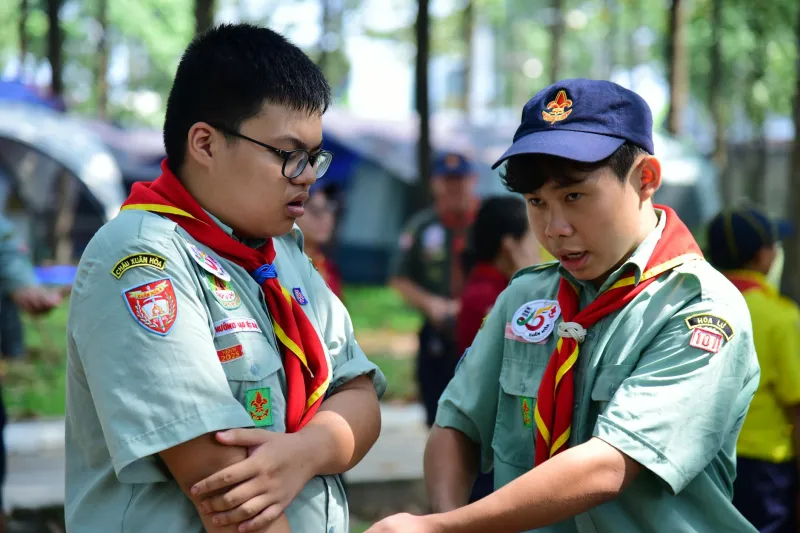
The Uniform That Meant Something
Walk through any American suburb in 1965, and you'd spot them everywhere: boys in crisp khaki uniforms with merit badge sashes draped across their chests like military decorations. These weren't costumes or weekend hobbies—they were the visible proof that a boy was learning to become a man through a curriculum that hadn't changed much since Theodore Roosevelt's time.
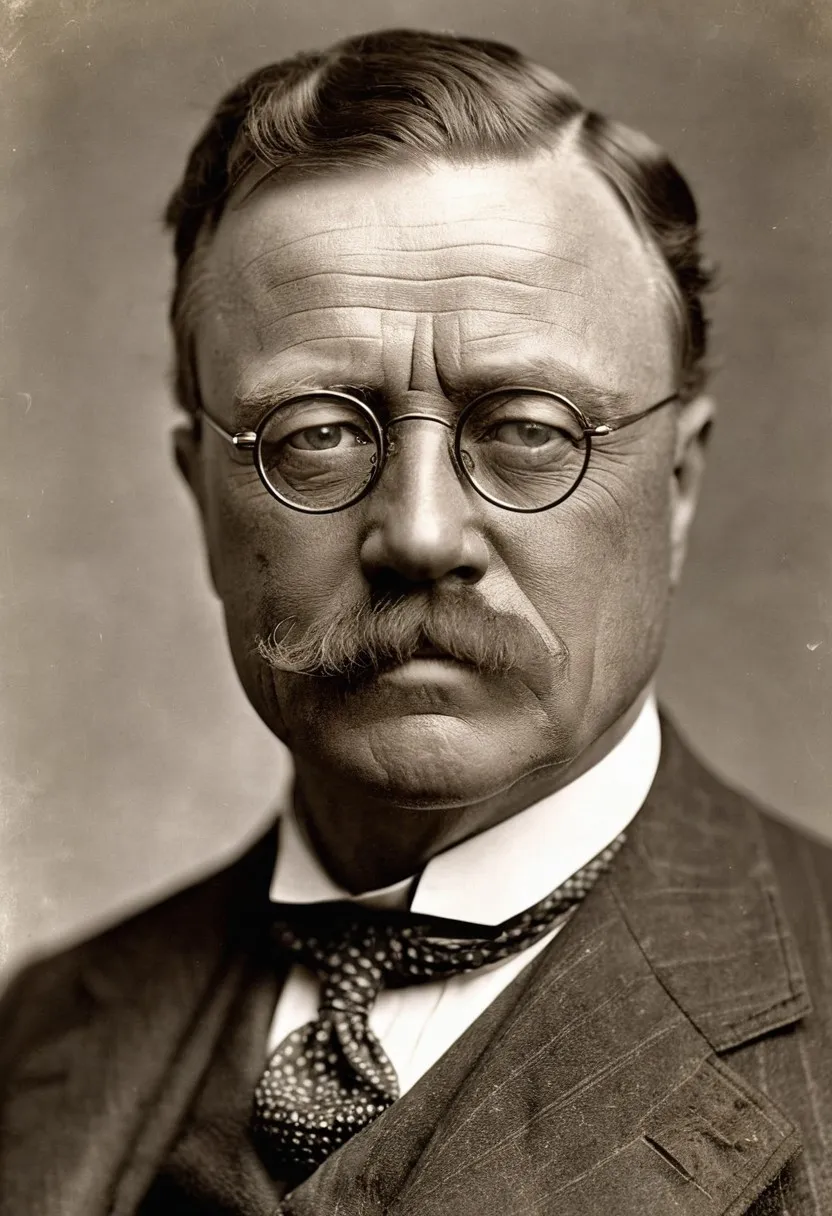 Photo: Theodore Roosevelt, via imgcdn.stablediffusionweb.com
The Boy Scouts of America once served as America's unofficial training ground for practical masculinity. Every Tuesday night, church basements and community centers filled with boys learning skills their grandfathers took for granted: how to read a compass without GPS, how to purify water without a filter, how to build shelter using nothing but what the forest provided.
When Every Boy Was a Wilderness Expert
In the 1950s and 60s, Scout meetings weren't gentle craft sessions. They were intensive workshops in self-reliance. Boys learned to tie bowline knots in the dark, start fires in the rain, and navigate cross-country using only a map and compass. The average Eagle Scout could perform first aid that would impress today's EMTs, identify edible plants that could keep him alive for weeks, and build structures that could withstand serious weather.
These weren't theoretical skills taught from textbooks. Scout leaders—often World War II veterans who had used these abilities in life-or-death situations—insisted on hands-on mastery. You didn't earn your Fire-Building merit badge by watching a YouTube video. You earned it by consistently lighting wet kindling in February while your fingers went numb.
The Weekend Expeditions That Built Character
Every month, troops would disappear into America's wilderness for camping trips that would terrify today's helicopter parents. Boys as young as twelve would hike fifteen miles carrying everything they needed on their backs, then spend the night in shelters they built themselves. No cell phones, no GPS devices, no way to call for help except the emergency skills they'd learned in meetings.
These expeditions weren't supervised playdates. Scout leaders deliberately created situations where boys had to solve problems independently. When the compass broke, you navigated by the sun. When the rain soaked your matches, you found another way to start the fire. When someone got injured, you used your first aid training while the nearest hospital was twenty miles away.
The Merit Badge System That Actually Meant Merit
The merit badge program was America's most comprehensive practical education system. Boys didn't just learn wilderness survival—they mastered trades that could support families. The Automotive Maintenance badge required boys to completely rebuild an engine. The Electronics badge demanded they build working radios from individual components. The Personal Finance badge taught budgeting and investing principles that many college graduates never learn.
Earning these badges required months of dedicated work under the guidance of experts in each field. The local mechanic, electrician, or banker would spend their evenings teaching neighborhood boys the skills that had built America's middle class. It was vocational education disguised as character development.
What Replaced the Patrol Leader
Today's American boys learn different skills. They can navigate complex video game environments but get lost in their own neighborhoods without GPS. They can communicate with friends across the globe but struggle with face-to-face conversation. They can access infinite information instantly but can't start a fire or tie a secure knot.
Modern youth programs focus on inclusion and emotional development rather than practical competence. Where Scout meetings once featured knife safety and map reading, today's activities emphasize teamwork exercises and community service projects. The skills that once defined American boyhood—self-reliance, physical competence, practical problem-solving—have been replaced by abstract concepts like leadership and citizenship.
The Suburban Wilderness We Lost
The decline of scouting reflects broader changes in American childhood. Parents who once sent twelve-year-olds on solo bike rides across town now drive sixteen-year-olds to school. The woods behind suburban developments, where scouts once practiced tracking and shelter-building, have been developed into shopping centers or declared off-limits for liability reasons.
Risk-averse parenting has eliminated the very experiences that scouting was designed to provide. Boys who once spent weekends learning to be comfortable in genuinely challenging situations now spend them in organized activities with professional supervision and emergency protocols.
The Skills We Didn't Know We'd Need
The practical abilities that scouting taught weren't just useful for camping trips. They were foundational skills for navigating an uncertain world. Boys who learned to start fires without matches grew into men who could solve problems without instructions. Those who navigated by compass became adults comfortable making decisions without constant guidance.
The confidence that came from mastering difficult physical skills translated into every area of life. A boy who could build a bridge across a stream approached algebra problems differently than one who had never built anything more challenging than a LEGO set.
The Last Generation of Eagle Scouts
Today's Eagle Scouts earn their rank through community service projects and leadership roles rather than the grueling outdoor competency tests of previous generations. The boys who once emerged from scouting with genuine wilderness skills and practical trades knowledge now graduate with résumé-building experiences and volunteer hours.
This shift reflects America's transformation from a country that valued practical skills to one that prioritizes credentials and experiences. The boy who could rebuild a car engine was replaced by the boy who organized a car wash fundraiser. Both have value, but only one could actually fix the car when it broke down.
The scouting program that once graduated boys ready for anything now graduates young men prepared for college applications. It's a different kind of preparation for a different kind of world—but something irreplaceable was lost in the translation.