Cincinnati Chili and Carolina Barbecue: How America's Food Map Got Erased by Chain Restaurants

The Sunday Plate That Told Your Story
In 1960, you could blindfold someone, drive them across America, and let them taste Sunday dinner in any small town. Within a few bites, they could tell you whether they were in Louisiana (where the roux was dark and the rice was mandatory), Minnesota (where the casseroles featured cream of mushroom soup and crushed potato chips), or New Mexico (where green chiles appeared in everything, including the apple pie).
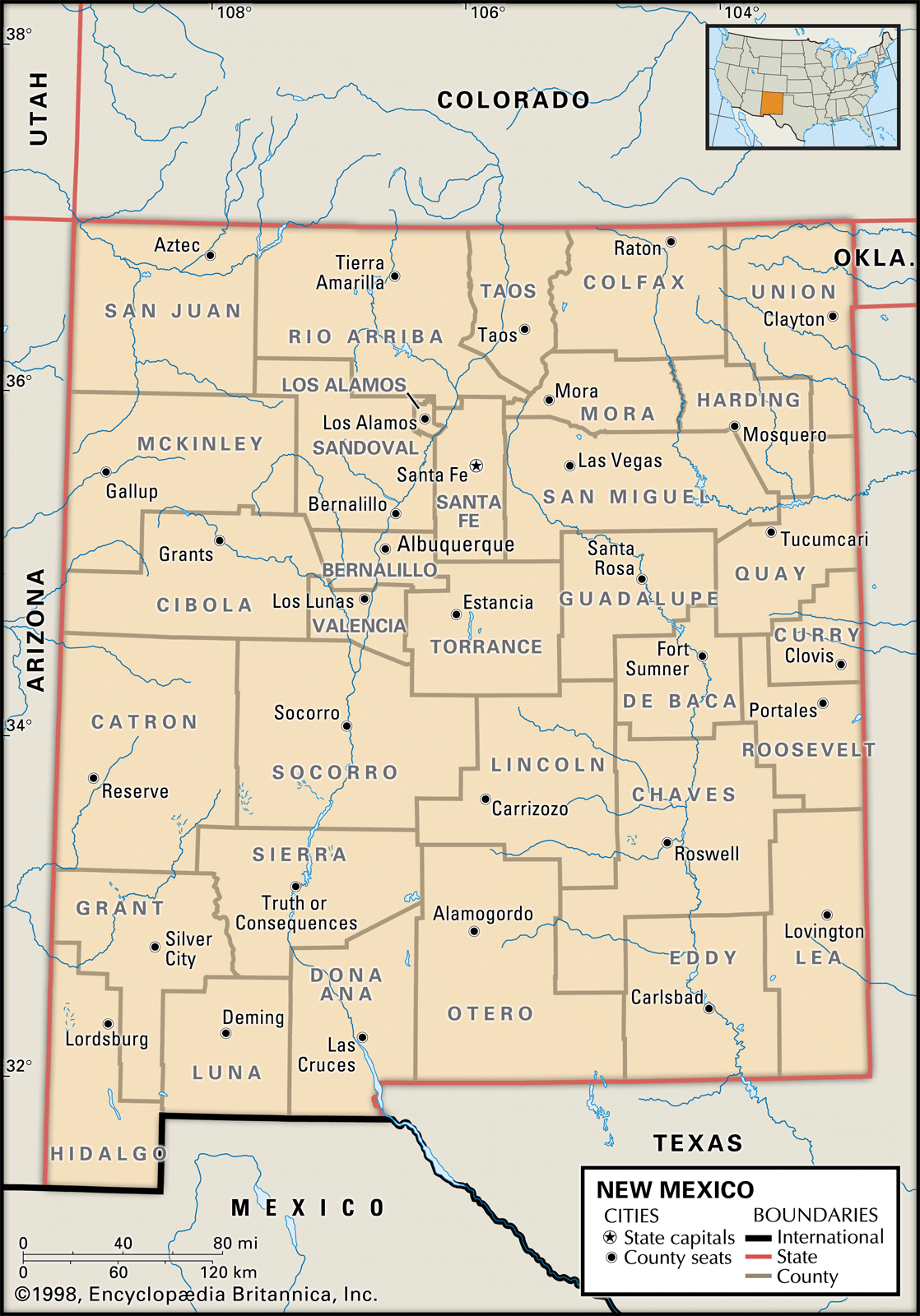 Photo: New Mexico, via cdn.britannica.com
American food wasn't just regional—it was hyperlocal. What families ate depended on what grew within fifty miles, what their grandmothers' communities had cooked for generations, and what the local ethnic populations had contributed to the communal recipe box. Food was geography made edible.
When Your Zip Code Determined Your Dinner
Every region of America had developed its own food identity over generations of making do with local ingredients. The Southwest perfected dishes around beans, corn, and peppers because that's what grew in the desert climate. New England built its cuisine around seafood, apples, and root vegetables that could survive harsh winters. The South created complex flavor profiles using pork, corn, and whatever could be preserved without refrigeration.
These weren't arbitrary preferences—they were survival strategies that became cultural traditions. Cincinnati's unique chili recipe emerged from German immigrants adapting Mediterranean spices to local tastes and available ingredients. Carolina barbecue developed distinct regional variations based on different smoking woods and local pepper varieties. Kansas City perfected burnt ends because local pitmasters had to make use of every part of the cow.
The Grocery Store That Knew Its Place
Local grocery stores reflected these regional differences in ways that would shock today's shoppers. A supermarket in Maine featured an entire aisle dedicated to different types of canned beans for Saturday night suppers. Texas stores stocked dozens of varieties of dried chiles that most Americans had never heard of. Wisconsin grocers carried cheese selections that rivaled European specialty shops.
Produce sections changed dramatically with the seasons and geography. Spring in Georgia meant fresh peaches dominated the fruit displays. Fall in Washington state brought apple varieties that existed nowhere else. Winter in Florida showcased citrus fruits that northern customers saw only at Christmas.
The Restaurant That Served Only Neighbors
Local restaurants weren't trying to appeal to national tastes—they were feeding people who had grown up eating specific foods prepared in specific ways. A diner in Philadelphia served scrapple because that's what local customers expected for breakfast. A café in New Mexico put green chiles on hamburgers because anything else would seem incomplete to local palates.
These establishments weren't exotic ethnic restaurants—they were just normal American food that happened to be deeply rooted in local traditions. The owners weren't trying to educate diners about regional cuisine; they were simply cooking the food their community had always eaten.
When Seasons Actually Mattered
Before global supply chains and year-round shipping, American families ate seasonally by necessity. Summer meant fresh tomatoes, corn, and whatever fruits were ripening locally. Fall brought apple harvests, pumpkin dishes, and preservation activities that would feed families through winter. Winter menus featured preserved, canned, and root cellar foods that could last until spring.
This seasonal eating created anticipation and celebration around specific foods. Fresh strawberries in June felt like a special occasion because you hadn't tasted them since the previous summer. The first sweet corn of August marked a milestone in the community calendar.
The Chain Reaction That Changed Everything
The rise of national restaurant chains in the 1970s and 80s began the systematic erasure of regional food identity. McDonald's didn't serve different burgers in different regions—they served identical products from coast to coast. Olive Garden didn't adapt their pasta to local preferences—they created a standardized "Italian" experience that bore little resemblance to actual regional Italian-American cooking traditions.
This standardization seemed like progress. Families could travel across the country and find familiar food wherever they stopped. Children who moved for college or jobs could find comfort in recognizable chain restaurants. But something profound was lost in this convenience.
The Supermarket That Serves Everyone and No One
Modern supermarkets stock the same products nationwide, sourced from global suppliers who prioritize consistency over local flavor. The tomatoes in Minnesota grocery stores in January are identical to those in Florida—and equally flavorless. Apples bred for shipping and shelf life have replaced the hundreds of local varieties that once defined regional harvests.
Produce sections now feature exotic fruits from around the world while local specialties disappear. You can buy dragon fruit in Iowa but struggle to find pawpaws in their native Ohio. Global variety has replaced local distinctiveness.
What We Gained and What We Lost
The nationalization of American food brought undeniable benefits. Immigrant cuisines that were once confined to specific ethnic neighborhoods became available everywhere. Americans gained access to ingredients and flavors that previous generations could never have imagined. Food safety improved dramatically when production moved from local kitchens to regulated facilities.
But the cost was the loss of food as cultural expression. When every town serves the same chain restaurant meals, food stops telling stories about place and people. When every grocery store stocks identical products, eating stops being connected to geography and seasons.
The Memory of Flavor
Older Americans still remember when food had a sense of place. They recall the specific taste of tomatoes grown in their grandmother's garden, the unique flavor of local honey, the way regional water affected everything from bread to coffee. These flavors were as distinctive as local accents—and just as endangered.
Young Americans who have grown up eating standardized chain food often don't realize what they're missing. To them, a tomato is a tomato, whether it's grown in Mexico in December or New Jersey in August. They've never experienced food that tastes like the place it came from.
The Farm-to-Table Revival That Misses the Point
Modern farm-to-table restaurants attempt to recreate the local food connections that were once automatic, but they often miss the cultural context that made regional food meaningful. These establishments serve locally sourced ingredients to customers who may have no cultural connection to the food traditions they're trying to preserve.
True regional food wasn't just about local ingredients—it was about communities of people who had developed specific ways of preparing and eating food together over generations. You can't recreate that cultural knowledge by simply sourcing tomatoes from nearby farms.
America's food map wasn't just erased by chain restaurants—it was forgotten by people who no longer remember what they lost. In gaining the convenience of eating the same meal anywhere in the country, we lost the deeper satisfaction of eating food that tasted like home.