The Neighborhood's Unofficial Parents: When Every Block Had Adults Who Cared About All the Kids
The Man Who Just Showed Up
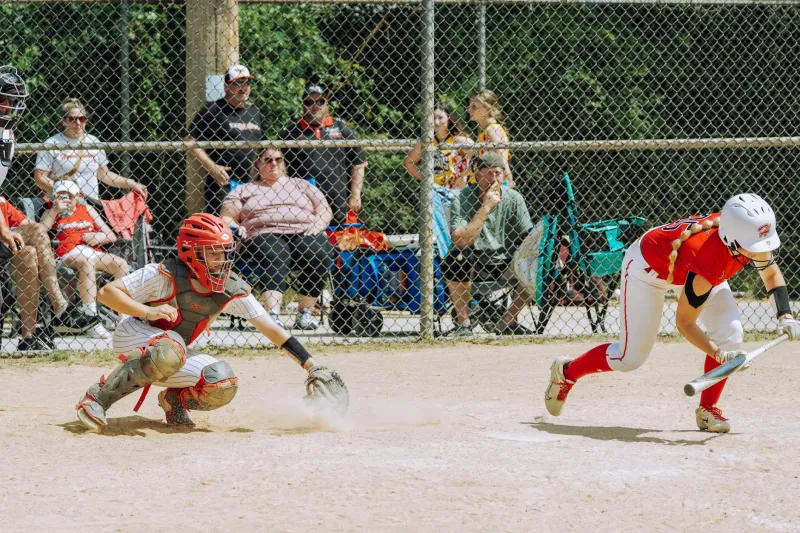
Every Saturday morning at 8 AM sharp, Bob Martinez would unlock the doors to the community center gymnasium, set up folding chairs in a circle, and wait for the neighborhood kids to arrive for basketball practice. Bob wasn't a certified coach, didn't have a degree in sports management, and certainly wasn't getting paid. He was a plumber who worked six days a week and spent his one day off teaching kids how to shoot free throws and, more importantly, how to lose gracefully and support their teammates.
 Photo: Bob Martinez, via image.slidesharecdn.com
Bob represented something that's become nearly extinct in modern American communities: the volunteer adult who took responsibility for shaping children simply because it needed doing. No background checks, no insurance forms, no liability waivers – just a grown-up who cared about kids and had something valuable to teach them.
Today, if Bob wanted to coach youth basketball, he'd need to complete SafeSport training, submit to a background check, provide references, attend mandatory meetings, and navigate a bureaucratic maze designed to protect organizations from lawsuits rather than connect children with caring adults. The result is fewer Bobs, more paperwork, and kids who grow up knowing fewer adults who aren't either their parents or paid professionals.
The Invisible Infrastructure of Character
Mid-century American neighborhoods operated on an invisible infrastructure of adult investment in children. The scout leader who taught knot-tying and camping skills, the church youth director who organized community service projects, the little league coach who insisted that every kid get equal playing time – these adults created a web of mentorship that supplemented what children learned at home.
This wasn't a formal system with mission statements and organizational charts. It was organic, relationship-based, and driven by a shared understanding that raising children was a community responsibility, not just a parental one. Kids encountered multiple adult perspectives, learned different skills from different mentors, and developed relationships with grown-ups who knew them outside the context of their family dynamics.
The scout troop met in church basements, little league games happened on municipal fields maintained by volunteer groundskeepers, and youth groups organized fundraising car washes where teenagers learned work ethic alongside community service. These activities weren't professionally managed programs – they were expressions of civic engagement that happened because adults in the community made them happen.
When Liability Wasn't a Four-Letter Word
The transformation of American childhood from community-raised to professionally-supervised reflects our society's changing relationship with risk and responsibility. Previous generations understood that meaningful relationships with children required accepting some level of risk – both for the adults and the kids involved.
The scout leader who took kids on overnight camping trips, the coach who let players walk to the ice cream shop after games, the youth group director who organized unsupervised service projects – these adults operated in an environment where reasonable risk-taking was seen as part of child development, not grounds for litigation.
Modern liability concerns have effectively criminalized the informal mentorship that once flourished in American communities. Today's volunteer youth leaders spend more time documenting their interactions with children than actually interacting with them. Permission slips, incident reports, and mandatory supervision ratios have replaced the trust-based relationships that allowed adults to truly invest in young people's development.
The Professionalization of Childhood
As volunteer adult mentors disappeared from American communities, their role has been filled by paid professionals: certified coaches, licensed counselors, credentialed instructors. While these professionals often provide excellent services, they operate within fundamentally different relationships with children.
Professional youth workers are bound by ethical guidelines, legal requirements, and organizational policies that prioritize protection over connection. They maintain appropriate boundaries, follow established curricula, and document their interactions for institutional accountability. These safeguards serve important purposes, but they also create distance between adults and children that volunteer mentors never experienced.
The scout leader who became a lifelong family friend, the coach who attended his players' weddings decades later, the youth director who provided guidance through difficult teenage years – these relationships developed precisely because they weren't constrained by professional boundaries. The adults were investing in children as whole human beings, not managing them as clients or program participants.
The Overscheduled Solution
Modern American families have responded to the disappearance of community adult mentors by over-programming their children's lives with structured activities. Travel sports teams, specialized camps, private lessons, and enrichment programs attempt to provide the skill development and character formation that volunteer adults once offered naturally.
But this professionalized approach to child development misses something essential about how meaningful mentorship actually works. The most impactful adult influences in children's lives often happened during unstructured time – the conversations that developed while working on a service project, the life lessons that emerged during long car rides to tournaments, the confidence that built through informal encouragement and support.
Today's children may have access to more specialized instruction and professional guidance than any generation in history, but they have fewer opportunities to develop genuine relationships with adults who know them as individuals rather than as participants in organized activities.
What We Lost in the Translation
The decline of volunteer adult mentorship in American communities represents more than just a shift in how children spend their time – it reflects a fundamental change in how we understand community responsibility and social connection.
Previous generations of adults understood that investing in neighborhood children was both a civic duty and a personal privilege. They gained as much from these relationships as the children did, developing their own leadership skills, finding purpose beyond their professional lives, and maintaining connections to their communities that enriched their adult experiences.
Modern communities have gained important protections for children and valuable professional services, but we've lost the organic network of caring adults who once helped raise every child on the block. We've traded the messy, imperfect, deeply human experience of community mentorship for the clean, safe, professionally managed programs that define modern childhood.
That trade-off has made American communities safer and more predictable, but it's also made them lonelier – for both the children who grow up knowing fewer adults and the adults who miss the opportunity to shape the next generation through simple, voluntary investment in their development.