Dad Behind the Plate: The Neighborhood Volunteer Who Called It Fair and Nobody Questioned Him
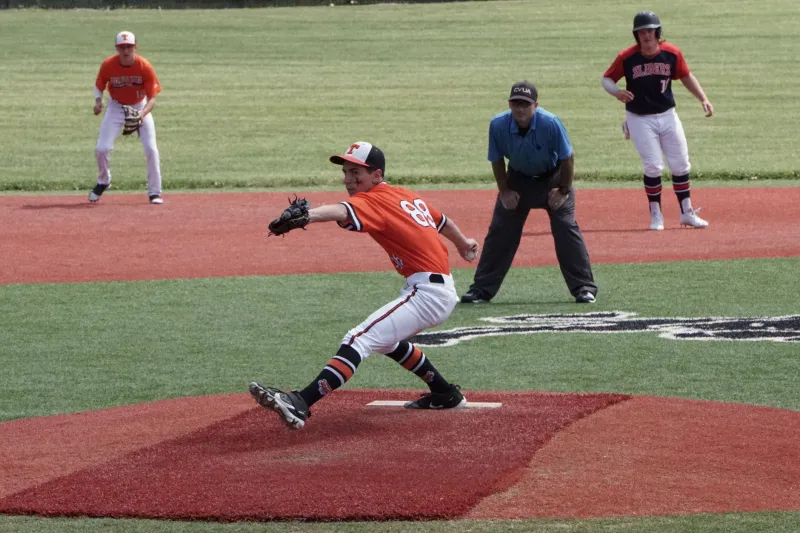
Somewhere around 1978, on a dusty diamond behind an elementary school in suburban Ohio, a man named Gerald Kowalski called a kid out at home plate. The kid's father disagreed loudly from the bleachers. Gerald turned around, pointed one finger at the fence, and said three words: That's the call. The father sat down. Game continued. Nobody filed a complaint.
Gerald wasn't a professional. He wasn't certified, bonded, or compensated beyond a free hot dog from the concession stand. He was just the dad who knew the rules best and showed up every Saturday. That was enough. For decades, across thousands of towns, it was more than enough.
The Unofficial Authority of the Neighborhood Expert
Before youth sports became an industry, it was a community project. Little League fields were maintained by rotating volunteer crews. Coaches were fathers who played ball in high school and hadn't forgotten. And umpires — the people whose judgment shaped every single play — were adults from the neighborhood who'd earned a quiet kind of trust simply by being present and consistent.
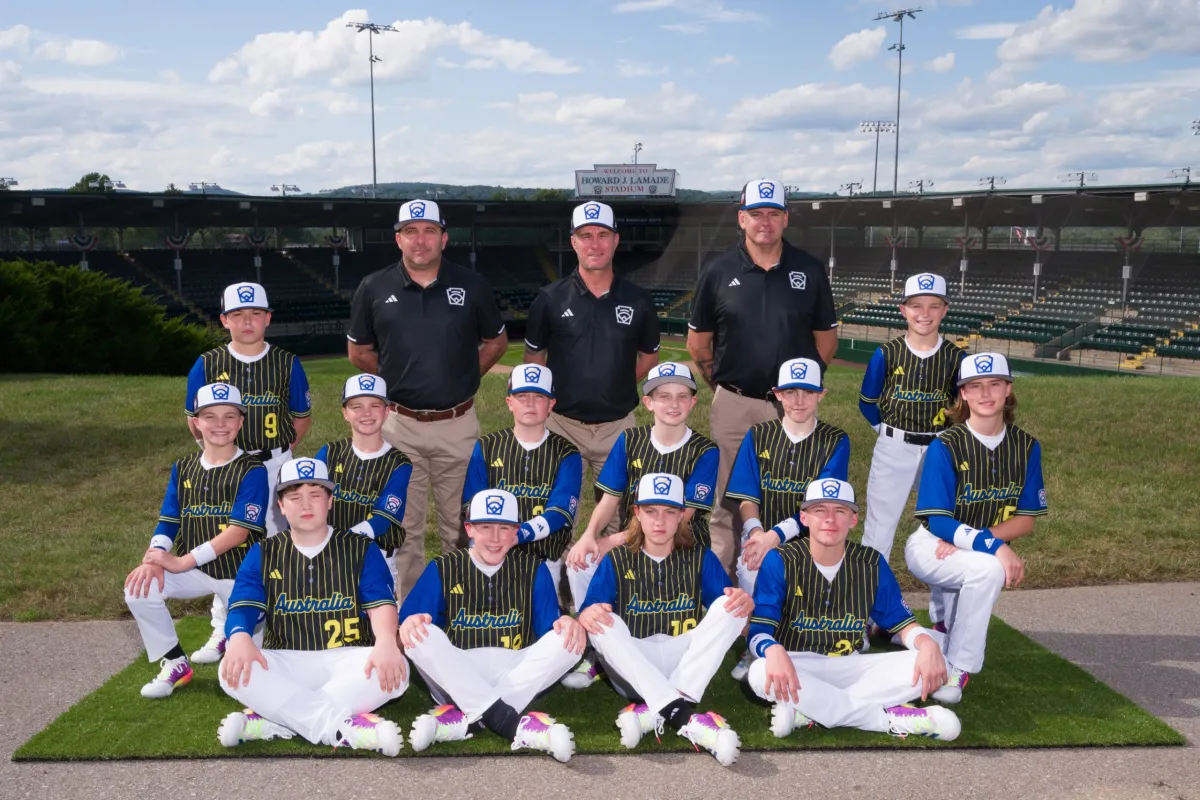 Photo: Little League, via res.cloudinary.com
These men (and occasionally women) didn't carry laminated certification cards. They carried institutional knowledge passed down informally: a veteran ump explaining the infield fly rule to a newcomer in the parking lot before a game, or a coach and an ump settling a dispute with a handshake and a shared memory of how things were always done around here.
The authority wasn't bureaucratic. It was social. These people lived on your street, attended your church, coached your older kid's soccer team. When they made a call, the weight behind it wasn't a credential — it was a relationship. You might disagree, but you respected the source.
When Accountability Became a Formal System
The shift didn't happen overnight. Through the 1990s and into the 2000s, as youth sports grew more competitive and parents grew more litigious, organizations began formalizing what had previously been handled by community consensus.
National associations introduced certification programs. Background checks became standard. Umpires and referees started receiving stipends — modest, but real. Training clinics replaced parking-lot tutorials. Rule interpretation became standardized across regions rather than varying slightly from town to town based on whoever Gerald Kowalski thought was right.
This wasn't arbitrary bureaucracy. Real problems drove it. Accusations of bias, occasional incidents of verbal or physical confrontation between parents and officials, and legitimate child safety concerns all pushed organizations toward professionalization. If you're going to put adults in positions of authority over children in organized settings, it makes sense to know who those adults are.
The logic was sound. The tradeoffs were real.
What the Rulebook Couldn't Replace
Here's what certification doesn't teach: how to read a crowd. How to defuse a tense moment with a joke. How to make a borderline call and then spend thirty seconds talking to both coaches in a way that leaves everyone feeling heard even if nobody got what they wanted.
The volunteer umpires of the mid-century American suburbs were often remarkable at that kind of situational intelligence. They weren't just calling balls and strikes — they were managing a social ecosystem. The game was the occasion, but the community was the real operating environment.
When Gerald pointed at the fence and said that's the call, it worked because everyone on that field knew Gerald. They'd seen him at the hardware store. Their kids had played in his backyard. His authority wasn't abstract — it was embedded in a web of mutual accountability that made formal enforcement almost unnecessary.
Today's certified officials are often excellent at their jobs. Many are passionate volunteers who take the work seriously. But they're increasingly strangers — rotating through multiple leagues, driving in from other towns, known only as the ump rather than as a neighbor. The credential replaced the relationship. And with it went a certain kind of frictionless trust that's very hard to manufacture through any formal system.
The Parent Problem Nobody Wants to Admit
There's another side to this story, and it's uncomfortable. Part of why youth sports officiating had to professionalize is because the informal social contract that made volunteer authority work started breaking down.
As youth athletics became more high-stakes — travel teams, college scholarship dreams, social media highlight reels — the stakes around individual calls rose dramatically. Parents who once accepted Gerald's judgment began filming every play on their phones, posting disputed calls to Facebook groups, and demanding formal appeals processes.
The volunteer umpire system depended on a community culture where adults trusted other adults and where losing a Little League game was understood as a small thing in the arc of a child's life. When that culture eroded, the informal system became unsustainable. You can't run on trust when trust has been replaced by documentation.
The Ledger Doesn't Balance Cleanly
It would be easy to frame this as simple loss — the warm, human past replaced by cold, institutional process. But that's not quite honest. Certified officials are genuinely more consistent. Background checks protect children. Formal training produces better-prepared referees who understand not just the rules but their own legal and ethical responsibilities.
What was lost isn't the system itself. It's the texture of the thing — the sense that your neighborhood was capable of governing itself, that adults could be trusted to do right by kids without a national association overseeing every call.
Gerald Kowalski never got a certificate. He got something better: a community that trusted him, a game that ran smoothly because of him, and the quiet satisfaction of being the kind of person his town relied on.
That's not nothing. In fact, it's the kind of thing that's remarkably hard to replicate once it's gone.