The White Coat That Actually Cared: When Your Neighborhood Druggist Mixed Medicine and Miracles
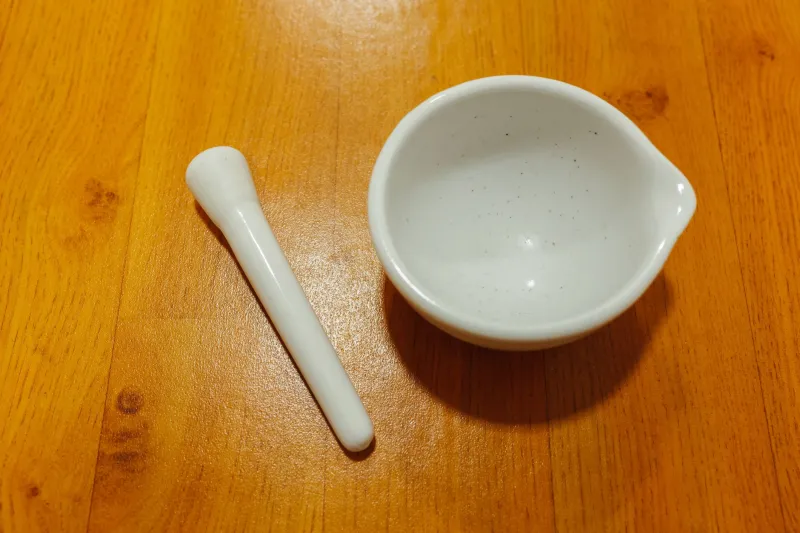
The Mortar and Pestle Prophet
Walk into any CVS today and you'll find shampoo next to potato chips, greeting cards beside energy drinks, and somewhere in the back corner, a pharmacy counter that feels more like a fast-food drive-through than a place of healing. The white-coated figure behind the counter barely looks up as they scan barcodes, count pills, and slide plastic bottles across the counter with all the personal warmth of a vending machine.
Fifty years ago, that same transaction would have unfolded completely differently. Your neighborhood pharmacist didn't just fill prescriptions—he created them. From scratch. By hand. While asking about your mother's arthritis and remembering that your youngest daughter was allergic to penicillin.
When Medicine Was Made, Not Manufactured
The independent American drugstore of the 1950s and 1960s was part laboratory, part counseling center, part community hub. Behind that imposing wooden counter sat rows of glass jars filled with powders, tinctures, and compounds that most people couldn't pronounce. The pharmacist—and it was almost always a "he" in those days—would measure, mix, and blend ingredients according to each doctor's specific instructions.
This wasn't some quaint throwback to frontier medicine. As late as 1970, nearly 60% of all prescriptions required some form of compounding. Your pharmacist might mix a custom-strength ointment for your eczema, create a liquid version of a pill for a child who couldn't swallow tablets, or blend multiple medications into a single dose for an elderly patient managing several conditions.
Today, less than 3% of prescriptions involve any compounding at all. The vast majority arrive at the pharmacy as pre-manufactured pills in pre-determined doses, ready to be counted out by machines that can fill a bottle faster than you can say "acetaminophen."
The Neighborhood's Medical Memory Bank
But the real magic wasn't in the mixing—it was in the knowing. Your neighborhood pharmacist maintained what amounted to a mental database of every family's medical history. He knew that Mrs. Henderson's heart medication made her dizzy, that young Tommy Peterson had reactions to certain dyes, and that the Johnsons needed their blood pressure pills split into smaller doses because Medicare only covered a month's supply at a time.
This wasn't invasion of privacy—it was professional care taken to an almost familial level. When Dr. Mitchell prescribed something new for your back pain, your pharmacist might call him directly to suggest an alternative that wouldn't interact with the arthritis medication you'd been taking for six months. These weren't just transactions; they were consultations between professionals who both knew your body's particular quirks and needs.
 Photo: Dr. Mitchell, via i.ytimg.com
Compare that to today's experience, where the person handing you your medication might be a pharmacy technician who started working there last Tuesday. The computer system flags potential drug interactions, but no human being connects the dots between your prescription history and your actual life. The medication that makes you drowsy gets filled without anyone mentioning that you mentioned driving for work. The blood thinner that requires dietary changes comes with a computer-printed warning sheet that most people never read.
The Soda Fountain Sage
The old-fashioned drugstore was also America's original wellness center. Most featured soda fountains where customers could enjoy a cherry Coke while waiting for their prescriptions. The pharmacist often doubled as a health advisor, recommending everything from cod liver oil for joint pain to specific brands of vitamins for pregnant women. People trusted his judgment not because he had access to internet research, but because he'd spent decades observing which treatments actually worked for which people.
These establishments served as informal medical triage centers. Parents brought fevering children not to urgent care centers that didn't exist yet, but to the neighborhood druggist who could assess whether a situation required a doctor's visit or could be managed with over-the-counter remedies. The pharmacist's recommendation carried weight because everyone knew he'd rather send you to a doctor than sell you something that wouldn't help.
The Efficiency Revolution's Hidden Cost
The transformation didn't happen overnight. Chain pharmacies began appearing in the 1960s, promising lower prices through volume purchasing and standardized operations. Insurance companies started favoring mail-order prescriptions and preferred pharmacy networks. Pharmaceutical companies shifted toward pre-manufactured medications that eliminated the need for custom compounding.
Each change made individual sense. Pre-made medications reduced errors and ensured consistent dosing. Computer systems prevented dangerous drug interactions. Chain operations brought down costs and improved access in underserved areas. But the cumulative effect was the elimination of the human element that had made pharmacy a healing profession rather than a retail operation.
What We Lost in Translation
Today's pharmacy system is undeniably more efficient, more regulated, and in many ways safer than the old neighborhood drugstore model. Medications are more precisely manufactured, drug interactions are caught by sophisticated computer systems, and insurance coverage has made prescriptions affordable for millions of Americans who couldn't have accessed them fifty years ago.
But we've also lost something harder to quantify: the presence of a knowledgeable advocate who knew your medical story and could translate between the world of medicine and your everyday reality. The neighborhood pharmacist served as a bridge between your doctor's clinical expertise and your lived experience of managing health conditions.
In an era when healthcare feels increasingly impersonal and fragmented, the old-fashioned drugstore represents something we're still trying to recreate: a place where medical expertise came with a personal touch, where efficiency served human connection rather than replacing it entirely. The white coat behind today's pharmacy counter may be just as knowledgeable, but the relationship that once made that knowledge truly healing has been efficiently optimized right out of existence.