The Last Generation to Disappear: When Americans Could Still Live Without Leaving Digital Footprints
The Invisible Americans
In 1975, Janet Morrison lived what would now seem like an impossible existence: she was completely invisible. Not literally, of course—she worked at the phone company, shopped at Kroger, attended her daughter's school plays, and had coffee with neighbors every Tuesday morning. But unlike every American living today, Janet moved through her world leaving almost no permanent record of her presence.
No security cameras captured her grocery runs. No credit card companies tracked her spending patterns. No smartphone recorded her location every few seconds. No social media platforms archived her thoughts, and no cloud storage preserved her photos. When Janet died in 2019 at age 87, her family found exactly 23 photographs from the entire decade of the 1970s—and half of those were blurry.
When Cameras Were Occasions
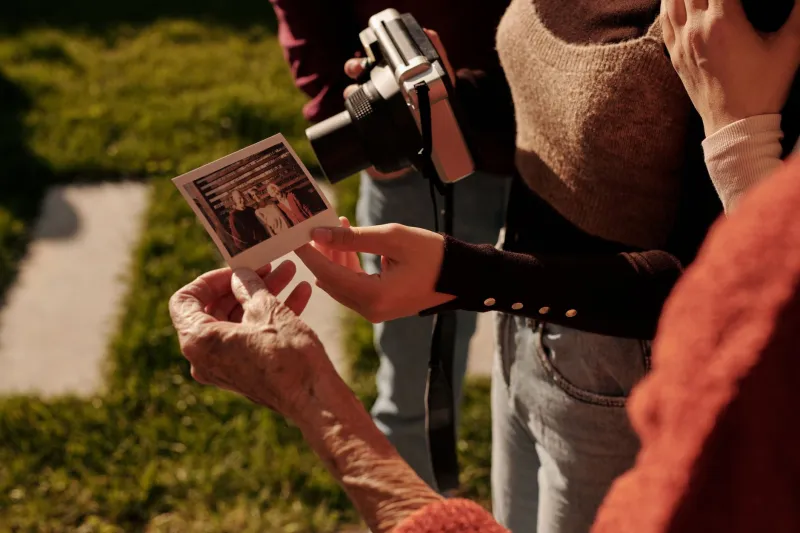
The pre-digital era operated on a completely different relationship with documentation. Families owned cameras, but film cost money and processing took time. Taking a photograph required deliberate intention—you had to decide that this moment was worth preserving, then wait a week to see if you'd captured it successfully.
"My mom would buy two rolls of film for the entire summer vacation," remembers Tom Bradley, who grew up in suburban Detroit in the 1970s. "Forty-eight pictures to document three months of childhood. We'd pose for maybe six shots at the Grand Canyon, then put the camera away for the rest of the trip. The idea of photographing your lunch would have seemed insane."
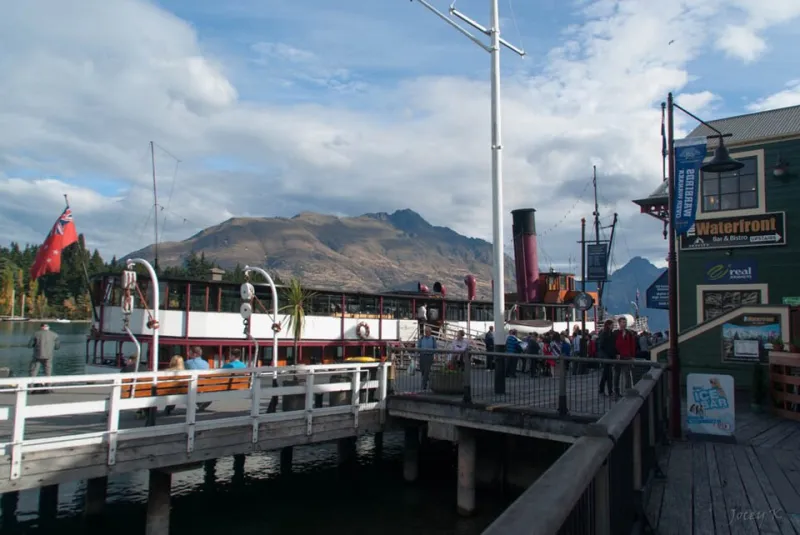
 Photo: Grand Canyon, via www.jasonweissphotography.com
Most American families accumulated photographs at a rate of perhaps two or three dozen per year. School pictures, Christmas morning, maybe a birthday party or vacation. Entire summers passed without a single image being captured. Whole years of childhood existed only in memory, with no visual record to contradict or confirm how things actually looked.
The Anonymous Commute
Consider what invisibility meant in practical terms. When Americans drove to work in 1978, no traffic cameras recorded their routes. No toll booths photographed their license plates. No GPS systems tracked their movements. No credit cards logged their gas purchases. A person could drive across the entire country leaving virtually no electronic trail of their journey.
Shopping was equally anonymous. Cash transactions left no record beyond the receipt, which most people immediately threw away. Department stores had no customer databases, no loyalty programs, no way to track individual shopping patterns. You could buy anything, anywhere, without creating a permanent record of your preferences and habits.
Even telephone calls—the most technologically mediated communication of the era—left minimal traces. Long-distance calls appeared on monthly bills, but local calls were unlimited and unrecorded. Families could have hundreds of conversations that existed only in memory, with no digital archive preserving what was said or when.
The School Photo as Historical Document
For most Americans born before 1970, their childhood visual record consists almost entirely of school photographs—those awkward annual portraits that parents dutifully purchased and relatives politely displayed. These formal, posed images became the primary visual evidence of how children looked as they grew up.
"I have one photo from each grade, first through twelfth," says Linda Park, who attended school in rural Oregon. "That's it. Twelve pictures documenting my entire childhood appearance. Everything else—how I looked at the breakfast table, playing in the yard, doing homework—exists only in my family's memory. When my parents died, those memories died with them."
This scarcity created a different relationship with self-image. Children couldn't constantly see themselves through cameras. They had no way to immediately review and retake photos until they looked perfect. Their sense of their own appearance came from mirrors, not screens, and from other people's reactions, not photo filters and social media feedback.
The Blessing of Forgetting
The absence of constant documentation meant that embarrassing moments, awkward phases, and private struggles could actually be forgotten. Teenage mistakes didn't follow people into adulthood because no permanent record existed. Arguments with friends weren't preserved in text message histories. Bad hair days weren't immortalized in tagged photos.
"I went through a really awkward phase in eighth grade," recalls Michael Torres, who grew up in Phoenix in the 1970s. "Terrible haircut, braces, the whole thing. But there's no photographic evidence because nobody was taking pictures of random Tuesday afternoons. That awkwardness just... disappeared. Kids today will have high-definition video of every awkward moment they've ever experienced."
The Surveillance Revolution
The transformation began gradually in the 1980s and accelerated dramatically in the 2000s. Security cameras appeared in stores, then parking lots, then street corners. Credit cards replaced cash, creating transaction histories. Cell phones introduced location tracking. Digital cameras eliminated the cost barrier to constant photography.
By 2010, the infrastructure was in place for total documentation. Smartphones put high-quality cameras in everyone's pocket. Social media created incentives to share everything. Cloud storage made it possible to preserve infinite photos. GPS tracking became standard. Facial recognition software could identify people in strangers' vacation photos.
Today, an average American creates more documented evidence of their existence in a single day than Janet Morrison accumulated in entire years. Every purchase, every location, every social interaction potentially leaves a digital trace that can be preserved indefinitely.
The Weight of Permanence
Modern Americans live with a constant awareness that they're being recorded, tracked, and documented. This knowledge changes behavior in subtle but profound ways. We curate our appearance for cameras that might not even be there. We consider how our actions might look if they're captured and shared. We live with the knowledge that our digital footprints are permanent and searchable.
The generation that grew up invisible had a fundamentally different relationship with privacy and authenticity. They could experiment with identity, make mistakes, have private conversations, and experience solitude without worrying about documentation. Their inner lives remained genuinely private because no technology existed to capture and preserve their thoughts, locations, and daily routines.
What Disappeared With Invisibility
The loss of everyday anonymity represents one of the most dramatic social changes in American history, yet it happened so gradually that most people barely noticed. We gained the ability to preserve memories, connect with distant friends, and create rich digital archives of our lives. But we lost something essential: the freedom to exist without being recorded.
Janet Morrison's invisible life—undocumented, untracked, unarchived—now seems as foreign as any historical period. Her generation was the last to experience true everyday privacy, the last to live primarily in the present moment rather than for the permanent record. They disappeared from history not because their lives weren't meaningful, but because meaning, in their era, didn't require documentation to be real.