When the Lights Went Out, the Community Lit Up: How America Lost the Art of Shared Darkness
The Great Blackout of '77 Wasn't So Great, But It Was Different
When the lights went out across New York City on July 13, 1977, something remarkable happened in the residential neighborhoods. While looters made headlines in commercial districts, millions of ordinary families did what Americans had always done when darkness fell unexpectedly: they lit candles, gathered on stoops, and turned to each other.
 Photo: The Great Blackout of '77, via media.rawg.io
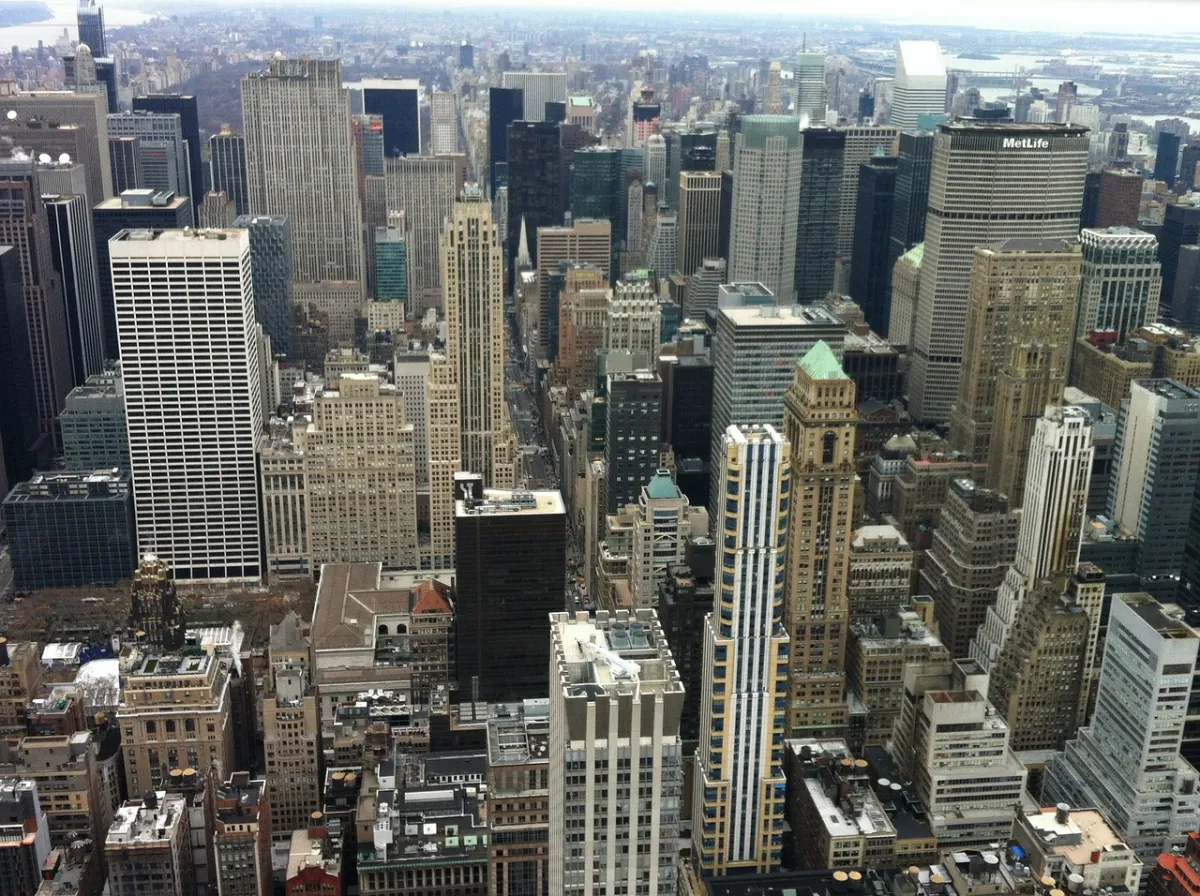 Photo: New York City, via storage.needpix.com
Mrs. Rodriguez brought out her battery radio. The Johnsons shared their flashlights. Kids who normally stayed glued to television sets suddenly found themselves playing kick-the-can under streetlights powered by car batteries. For one strange night, the city's neighborhoods felt more like small towns.
That scene—neighbors helping neighbors through a temporary inconvenience—reflects how Americans once experienced power outages: as minor disruptions to be weathered together, not catastrophic failures of modern civilization.
When Darkness Was Just Dark
For most of American history, losing electricity meant returning to a familiar backup system that everyone understood. Every household kept candles, oil lamps, or flashlights within easy reach. Mothers could prepare meals on gas stoves. Fathers knew how to coax heat from fireplaces that actually worked. Children had been taught to navigate their own homes in the dark.
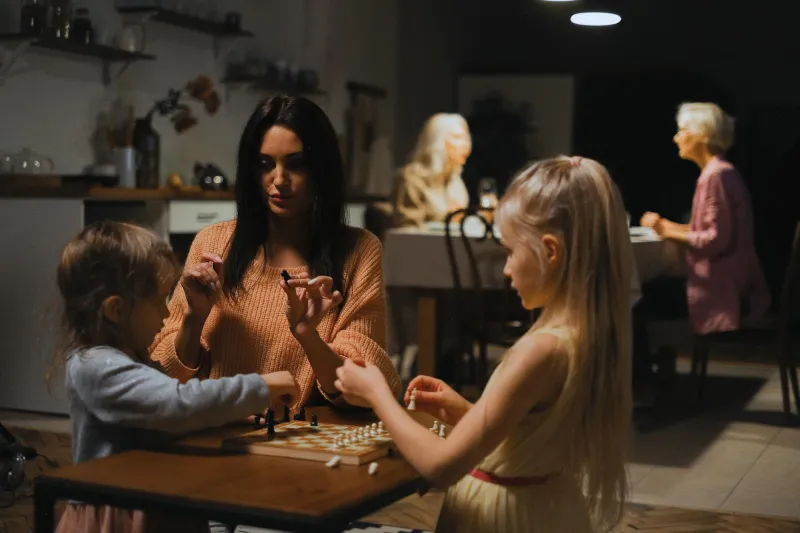
The typical 1950s family experienced power outages as minor adventures. Parents would gather everyone in the living room, light a few candles, and break out board games or cards. Someone would tune in a battery-powered radio for news. If the outage lasted into dinnertime, the family might cook hot dogs over the fireplace or eat sandwiches by lamplight.
Neighbors naturally checked on each other, especially elderly residents. The unspoken protocol was simple: share what you have, look out for those who might need help, and wait it out together. These informal networks kicked in automatically because everyone understood that electrical failure was temporary, manageable, and fundamentally survivable.
The Grid Becomes God
Somewhere between then and now, Americans crossed an invisible threshold. We stopped preparing for power outages and started assuming they simply wouldn't happen. Our homes became completely dependent on electrical systems not just for convenience, but for basic functionality.
Modern houses often lack working fireplaces. Gas stoves have been replaced by electric ranges. Even gas appliances require electrical ignition systems. Central heating and air conditioning systems can't function without power. The landline phones that once worked during outages have been replaced by cordless models that die when the base station loses power.
Meanwhile, our daily lives have become utterly intertwined with devices that demand constant electrical feeding. Smartphones, laptops, tablets, medical devices, security systems, garage door openers—the list of things that stop working when the power dies has grown exponentially.
When Darkness Became Catastrophic
Today's power outage feels less like an inconvenience and more like a systems failure. Within hours, the modern household begins to resemble a spaceship with a dying life support system. The refrigerator stops preserving food. The water heater stops heating. In many areas, even the water supply fails because electric pumps can't pressurize the system.
But the psychological impact might be even more profound than the practical challenges. Families accustomed to constant connectivity suddenly find themselves isolated. Children who have never experienced true boredom panic when their devices die. Adults realize they don't know their neighbors well enough to ask for help, and wouldn't know what help to offer in return.
The informal networks that once activated automatically during emergencies have largely disappeared. We've traded community resilience for individual convenience, and the trade-off becomes starkly apparent when the lights go out.
The Smartphone Paradox
Ironically, the devices that were supposed to keep us more connected have made us more vulnerable to disconnection. A 1960s family losing power lost electric lights and maybe the television. A 2020s family losing power loses their primary means of communication, entertainment, work, navigation, banking, shopping, and emergency contact.
The smartphone that seems so empowering becomes a useless brick within hours. The smart home systems that promised greater control render the house less controllable than ever. The digital payment systems that eliminated the need for cash become impossible to access just when you need to buy batteries or ice.
Even more troubling, many people have never learned the analog skills their grandparents took for granted. They don't know how to read paper maps, cook without electric appliances, or entertain themselves without screens. The power outage reveals not just our dependence on electricity, but our lost capacity for self-reliance.
The Social Grid
Perhaps the most significant change is how power outages now affect social connections. The 1977 blackout brought New Yorkers together on stoops and sidewalks because they had no other options for entertainment or communication. Today's outage sends people into their cars searching for cell towers and WiFi signals, physically dispersing the community just when it most needs to gather.
The old pattern of neighbors checking on neighbors has been replaced by individual problem-solving. Instead of Mrs. Rodriguez sharing her battery radio with the whole block, everyone retreats to their own backup plans: portable generators, car chargers, and emergency supply kits stored in isolation.
This shift from collective to individual coping strategies reflects broader changes in American community life, but it becomes most visible when the power fails. The outage that once revealed neighborhood bonds now exposes neighborhood isolation.
Rediscovering Resilience
The contrast isn't entirely nostalgic. Modern electrical systems are more reliable than their predecessors, and when they do fail, power companies restore service much faster than they once could. Emergency services coordinate more effectively, and genuine disasters receive better institutional responses.
But something valuable was lost when we stopped preparing for the lights to go out. The families who weathered blackouts with candles and conversation possessed a kind of resilience that went beyond emergency preparedness. They understood that human connection could survive technological failure, and that communities could function without constant electrical life support.
The next time your power goes out, try doing what your grandparents did: light some candles, check on your neighbors, and rediscover what happens when the most connected generation in history learns to connect without a grid. You might find that the darkness reveals more than it conceals.