How different was the world? More than you think.

The Then & Now Vault

How different was the world? More than you think.

Latest Articles

The Job That Came With a Promise: How American Workers Lost Their Guaranteed Retirement
Finance

The Job That Came With a Promise: How American Workers Lost Their Guaranteed Retirement

For most of the 20th century, a lifetime of work came with a straightforward reward: a fixed monthly check for the rest of your life. That promise has been quietly dismantled over the past four decades, replaced by a system that puts the risk — and the math — entirely on you.

Six O'Clock Sharp: The Dinner Table Ritual That Modern Life Slowly Dismantled
Culture

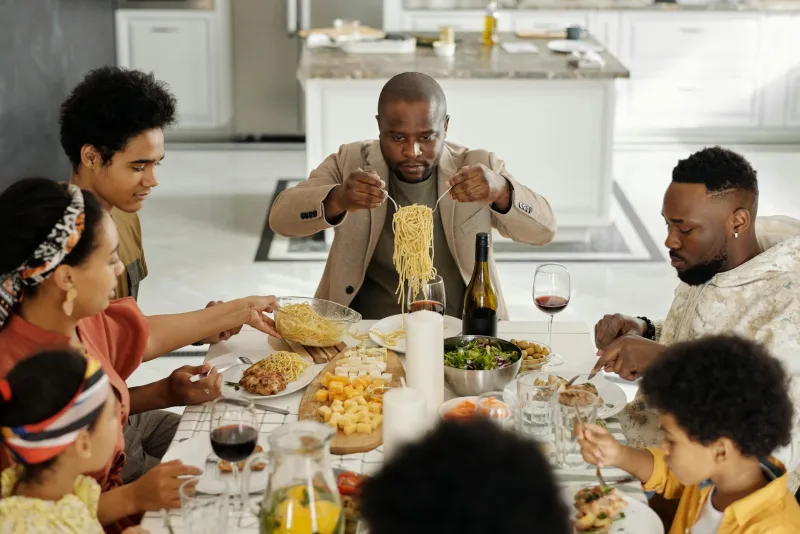
Six O'Clock Sharp: The Dinner Table Ritual That Modern Life Slowly Dismantled

There was a time when the smell of something cooking on the stove at six in the evening was simply the smell of an American evening. Everyone came home, everyone sat down, and dinner was a daily event the whole household shared. Tracing how that ritual unraveled tells you a lot about everything else that changed too.

When a Letter Was Worth the Wait: The Lost Art of Slow Communication
Culture

When a Letter Was Worth the Wait: The Lost Art of Slow Communication

Before texts, before email, before the blinking notification that demands your attention right now, Americans wrote letters — and they waited. Explore how a slower, more deliberate world of communication shaped daily life, and what we quietly gave up when speed became everything.

The Dealership Used to Close Before Dinner: When Buying a Car Didn't Require Emotional Preparation
Finance

The Dealership Used to Close Before Dinner: When Buying a Car Didn't Require Emotional Preparation

There was a stretch of American history when buying a car took about as long as buying a refrigerator — you picked what you wanted, agreed on a number, signed something, and drove home. Somewhere between then and now, the process transformed into a multi-hour endurance test engineered to separate you from as much money as possible while keeping you too exhausted to push back. This is the story of how that happened, and why Americans keep showing up anyway.

He Knew Your Grandmother's Blood Type: The Slow Disappearance of the Doctor Who Actually Knew You
Culture

He Knew Your Grandmother's Blood Type: The Slow Disappearance of the Doctor Who Actually Knew You

For most of the 20th century, the American family doctor was less a service provider and more a fixture of the community — someone who delivered babies, made house calls at midnight, and remembered your medical history without consulting a screen. Today, that relationship has been replaced by rotating providers, 12-minute appointments, and patient portals that take three business days to acknowledge you exist. The story of how that changed is also the story of how Americans lost something they didn't realize they were giving up.

When Flying Felt Like First Class Even in Coach: The Long Fall of the American Airport Experience
Travel

When Flying Felt Like First Class Even in Coach: The Long Fall of the American Airport Experience

There was a time when boarding a commercial flight meant dressing up, sitting down to a proper meal, and being treated like a guest rather than a unit of cargo. Deregulation in 1978 opened the skies to millions of Americans who could never have afforded a ticket before — but the price of that access was everything that once made flying feel special. Here's how air travel went from a genuine occasion to something most people dread.

6 a.m., a Bowl of Cereal, and the Whole Country Watching the Same Cartoons: The Saturday Morning Ritual That Streaming Quietly Killed
Culture

6 a.m., a Bowl of Cereal, and the Whole Country Watching the Same Cartoons: The Saturday Morning Ritual That Streaming Quietly Killed

For roughly three decades, Saturday morning in America meant one thing: waking up before your parents, planting yourself in front of the TV, and losing yourself in a block of cartoons that every kid in the country was watching at exactly the same time. Streaming gave children infinite choice. What it couldn't replace was that feeling of watching something together — all of you, simultaneously, without even knowing each other.

Fold the Map Wrong One More Time and See What Happens: Life Before GPS Told You Where to Go
Travel

Fold the Map Wrong One More Time and See What Happens: Life Before GPS Told You Where to Go

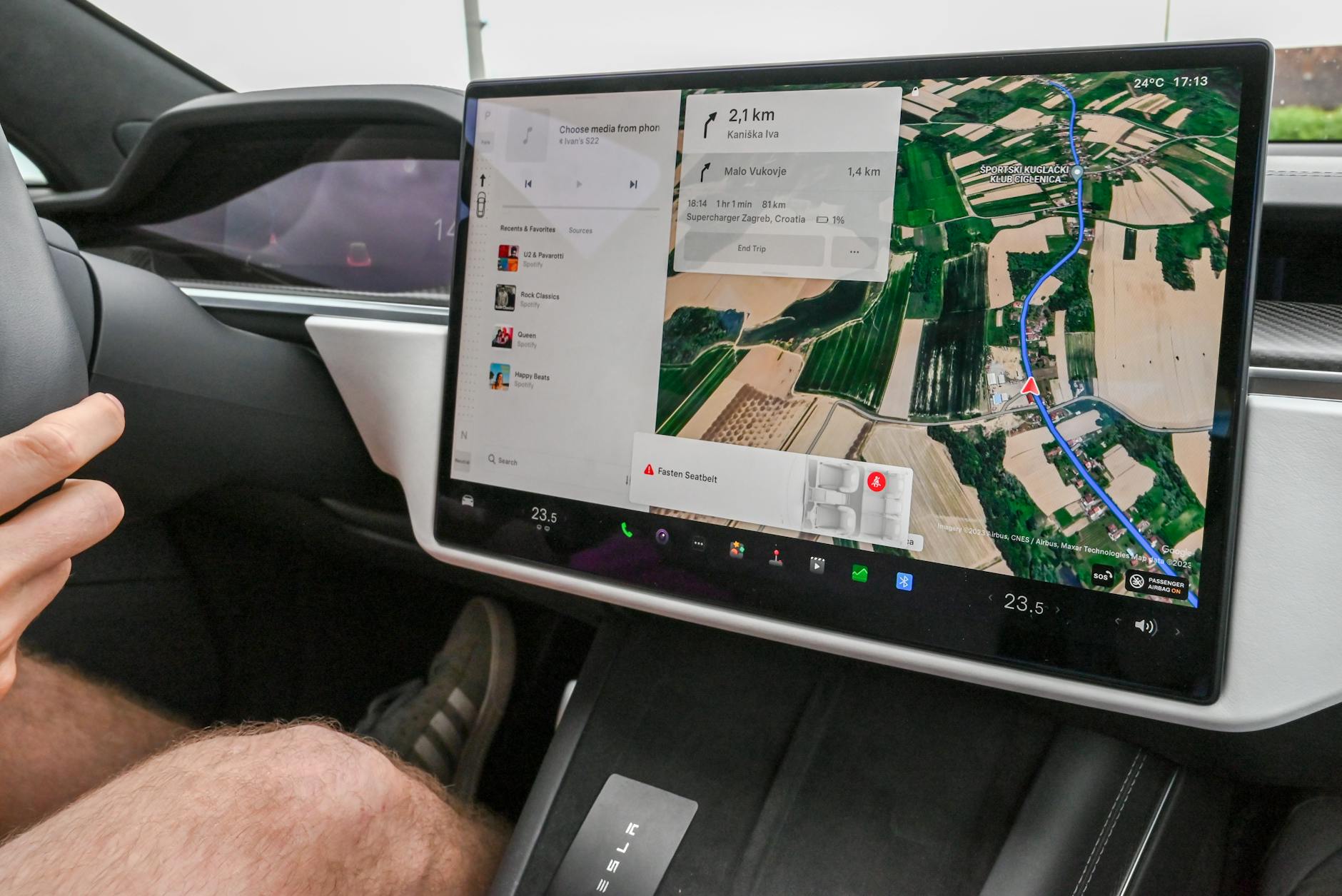
Before a calm voice told you to turn left in 400 feet, Americans navigated with paper atlases, hand-scrawled directions on napkins, and the quiet optimism that someone at the next gas station would know where County Road 7 actually went. It was chaotic, occasionally maddening, and somehow deeply memorable. Here's what we traded away when we handed the wheel — figuratively — to our phones.

When a Paycheck Could Actually Buy You a Home: The Collapse of American Housing Affordability
Finance

When a Paycheck Could Actually Buy You a Home: The Collapse of American Housing Affordability

In 1975, the median American home cost around $39,000 — and a single income could realistically cover the mortgage. Today, that same home's equivalent sits well north of $400,000, and two incomes often aren't enough. This isn't just inflation doing its thing. Something more fundamental broke along the way.