The Ritual That Made Every Driver Feel Important
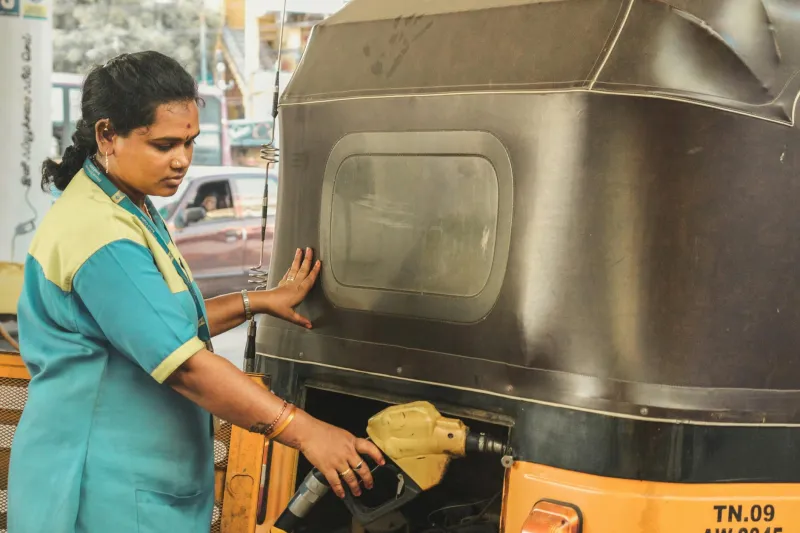
Pull into any gas station today, and you'll encounter the same sterile routine: swipe your card, pump your gas, maybe grab a snack from inside, and drive away without speaking to another human being. But step back fifty years, and that same simple act of getting gas was an entirely different experience — one that transformed a mundane necessity into a moment of genuine human connection.
The full-service gas station wasn't just about fuel. It was about service in the truest sense of the word. When you pulled up to those pumps, an attendant in a crisp uniform would jog over to your car before you even turned off the engine. "Fill 'er up?" wasn't just a question — it was the opening line of a choreographed performance that happened thousands of times a day across America.
The Dance of Genuine Service
While your tank filled, the real show began. Your attendant would pop the hood and check your oil level, examining the dipstick with the expertise of a medical professional reading test results. Low on oil? They'd recommend the right grade and have it changed on the spot. Windshield dirty? They'd scrub every inch of glass until it sparkled, often cleaning the headlights and rear window too, without being asked.
The tire pressure check came next — a quick walk around your car with a gauge that most drivers didn't even own. They'd adjust the pressure in each tire, check for unusual wear patterns, and point out anything that looked concerning. These weren't upselling tactics; they were genuine attempts to keep you safe on the road.
Inside the service bay, these same attendants could diagnose engine troubles by sound alone, fix a flat tire in minutes, and perform minor repairs that would keep you moving. They knew the difference between a Ford and a Chevy just by the sound of the engine, and they remembered what kind of oil your car preferred from your last visit.
When Business Was Personal
The best full-service stations operated like neighborhood institutions. Attendants learned their regular customers' names, asked about their families, and remembered details about their cars that would impress a dealer's service department. They'd notice when Mrs. Johnson's Buick was running rough, or when the high school kid's Mustang needed new belts.
This wasn't corporate customer service training — it was genuine community connection. These men (and they were almost always men) took pride in their work and their expertise. They understood that keeping America's cars running smoothly was a responsibility that went far beyond pumping gas.
The economics made sense too. A full-service visit might cost a few cents more per gallon, but customers gladly paid for the convenience and peace of mind. Gas station owners could afford to hire skilled attendants because the service model justified higher margins and built fierce customer loyalty.
The Self-Service Revolution
Then came the 1970s oil crisis, and everything changed. Gas prices skyrocketed, and suddenly those few extra cents for full service felt like an unnecessary luxury. Self-service pumps, once banned in many states for safety reasons, became the norm as cost-conscious drivers chose savings over service.
The transition happened gradually at first, then all at once. By the 1980s, full-service islands were disappearing from coast to coast. The skilled attendants who once made gas stations feel like community hubs found themselves unemployed, their expertise no longer valued in an increasingly price-driven market.
What emerged was the modern gas station — a place designed for maximum efficiency and minimum human contact. Today's pumps can process your payment, dispense your fuel, and print your receipt without requiring any staff interaction whatsoever. The convenience store attached to most stations generates more profit than the gas pumps themselves.
What We Lost in the Translation
Modern drivers have gained convenience and saved money, but something essential disappeared in the process. That moment of connection — however brief — reminded us that business could be personal, that service could be genuine, and that expertise still mattered in an increasingly automated world.
Today's car owners are more disconnected from their vehicles than ever before. Most drivers couldn't check their own oil if their lives depended on it, and many have never looked under their hood. The full-service attendant who once served as an informal automotive educator has been replaced by dashboard warning lights and scheduled maintenance reminders.
The irony is striking: we've gained unprecedented access to automotive information online, yet we know less about our cars than our grandparents did. The attendant who once caught problems early and offered simple solutions has been replaced by expensive diagnostic equipment and specialized technicians who charge hundreds for repairs that once cost twenty dollars.
The Echoes of Excellence
A few full-service stations still exist, mostly in Oregon and New Jersey where self-service remains prohibited by law. Visitors from other states often express surprise at the experience — not just because someone else pumps their gas, but because they'd forgotten what genuine automotive service felt like.
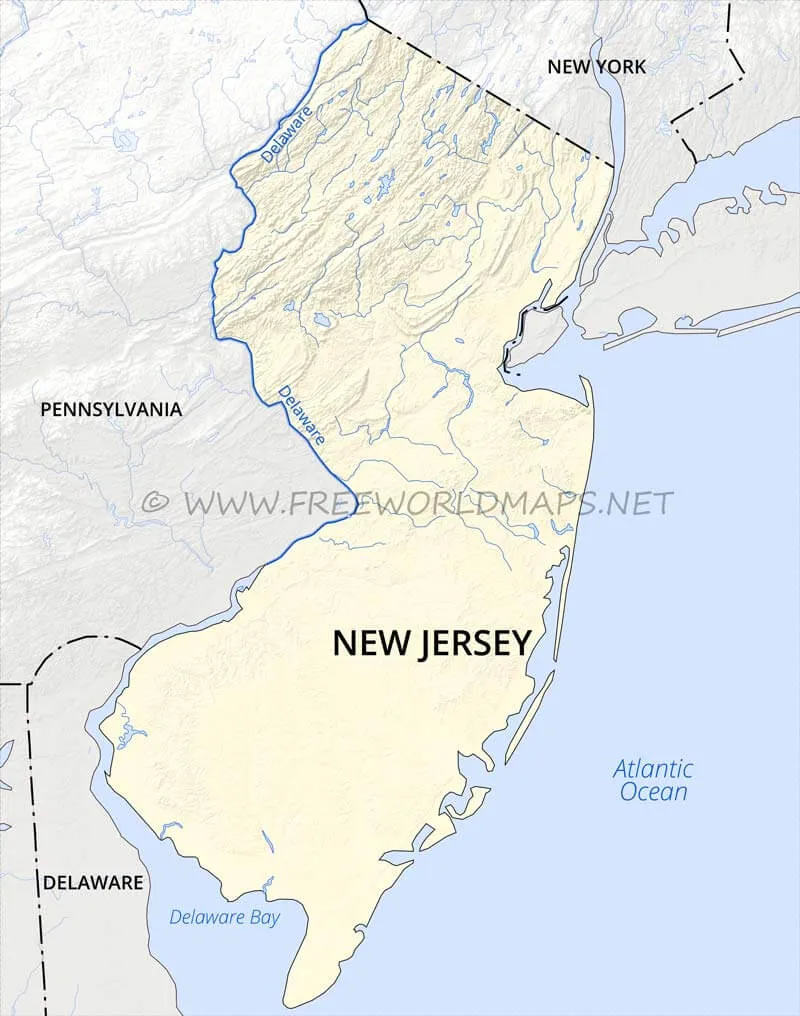 Photo: New Jersey, via www.freeworldmaps.net
These surviving stations serve as time capsules, preserving a tradition of hospitality and expertise that once defined American road culture. They remind us that efficiency isn't always improvement, and that some forms of progress come at the cost of human connection.
The next time you're standing at a gas pump, credit card in hand, listening to the mechanical hum of the dispenser, remember what used to happen in that same spot. Remember when getting gas meant getting service, when a fill-up included a check-up, and when every stop reminded you that someone actually cared about keeping you safely on the road.