When Flying Felt Like First Class Even in Coach: The Long Fall of the American Airport Experience
When Flying Felt Like First Class Even in Coach: The Long Fall of the American Airport Experience
If you told someone in 1962 that a coast-to-coast flight would one day cost less than a hotel room, they probably would have called you a liar. Back then, a round-trip ticket from New York to Los Angeles ran somewhere in the neighborhood of $200 — which, adjusted for inflation, lands closer to $2,000 today. Flying wasn't a budget option. It wasn't even a middle-class routine. It was an event.
And it was treated like one.
The Golden Age Wasn't Just a Marketing Slogan
In the 1950s and early 1960s, commercial aviation had the kind of cultural cachet that luxury cruises once held. Passengers dressed accordingly. Men wore suits. Women wore gloves. Not because there was a dress code — though some airlines quietly enforced one — but because the occasion demanded it. You were doing something remarkable: hurtling through the sky in a metal tube at 500 miles per hour. That felt like it deserved a tie.
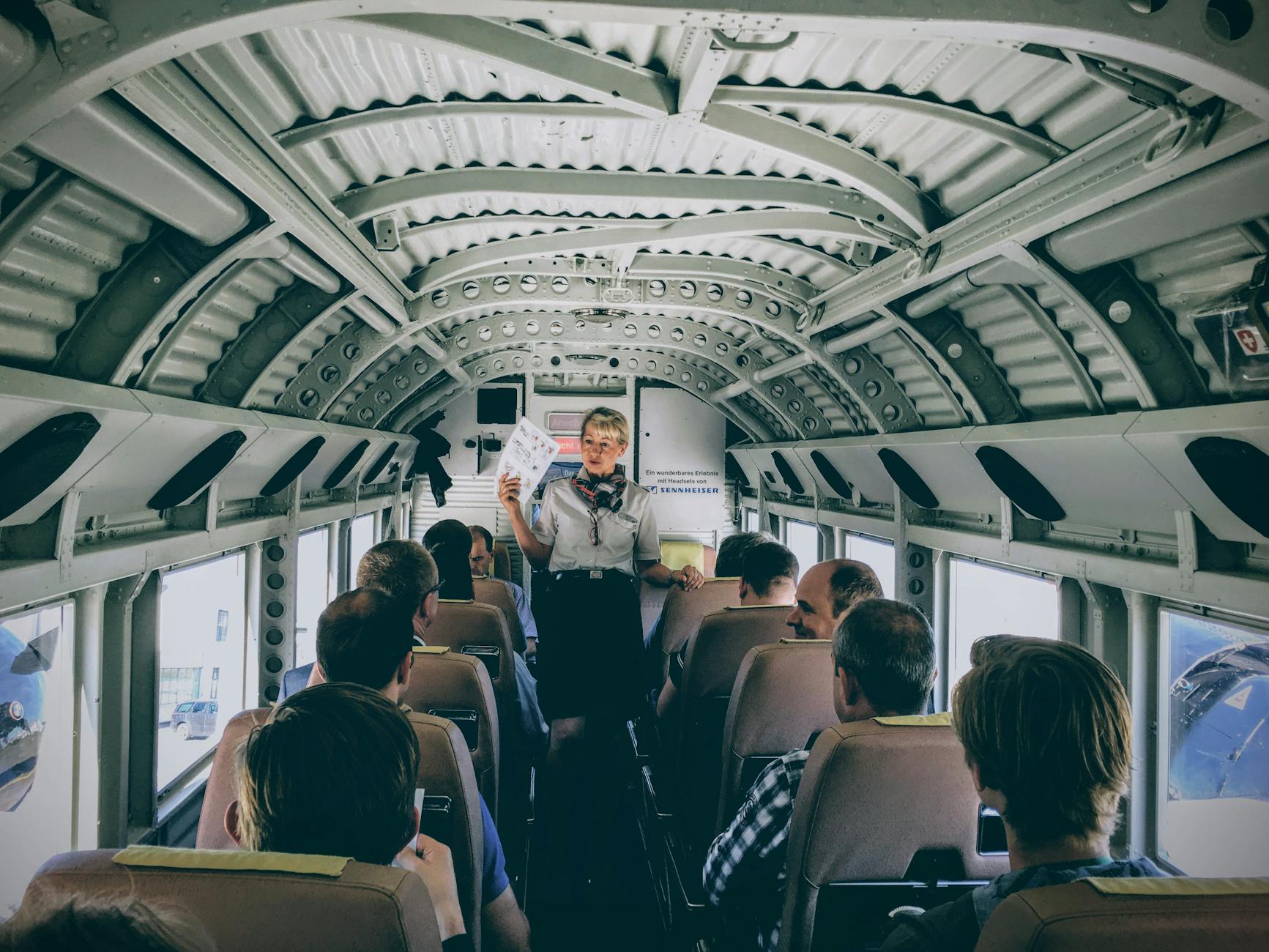
The experience inside the cabin matched the ceremony of getting there. Airlines like Pan Am and TWA competed aggressively on in-flight service, not price. Meals were cooked and plated — actual china, actual silverware — and served by flight attendants who were, at the time, required to meet strict appearance and age standards that we'd rightly find unacceptable today. The seats had room. Real room. Legroom that a six-foot adult could occupy without spending three hours with their knees jammed into someone else's lumbar support.
First class, by modern standards, was the whole plane.
The Moment Everything Changed
For most of commercial aviation's early history, the federal government controlled ticket prices through the Civil Aeronautics Board. Airlines competed on service because they literally couldn't compete on price. Then, in 1978, President Jimmy Carter signed the Airline Deregulation Act, and the industry was never the same again.
Deregulation wasn't a cynical move — and it's worth being honest about that. The intent was to lower fares and open air travel to ordinary Americans who'd never been able to afford it. And by that measure, it worked remarkably well. Between 1978 and the early 2000s, the inflation-adjusted cost of a domestic airline ticket dropped by more than 40 percent. Suddenly, a family from Ohio could fly to Florida for spring break. A college student could visit home for Thanksgiving without taking a three-day Greyhound.
Millions of Americans gained access to something that had previously been reserved for the wealthy and the business class. That's not a small thing.
But the trade-off was structural. Once airlines had to compete on price, everything that cost money without generating revenue became a target. The meals got cheaper, then smaller, then disappeared. The seats got narrower — average economy seat width shrank from about 18.5 inches in the 1970s to around 17 inches today, while seat pitch (the distance between rows) dropped from roughly 35 inches to as little as 28 on some budget carriers. The staff-to-passenger ratios tightened. The extras evaporated.
From Guest to Passenger to Revenue Unit
What's striking about the modern flying experience isn't just that it's less comfortable — it's how thoroughly it has been engineered to extract money at every possible step. Checked bag fees arrived in 2008 when Spirit Airlines introduced them, and within a few years the major carriers had followed suit. Today, the airline industry collects roughly $30 billion annually in ancillary fees — charges for bags, seat selection, early boarding, extra legroom, and, on some carriers, the privilege of bringing a carry-on.
The result is a pricing system so opaque that the advertised fare often bears little resemblance to what you actually pay. You book a ticket for $89 and arrive at the checkout screen owing $160. That psychological gap between the sticker price and the real cost is, of course, entirely by design.
And then there's the airport itself. Where travelers once moved through relatively calm terminals, today's airports are sensory obstacle courses — long security lines, crowded gates, $18 sandwiches, and a general atmosphere of controlled chaos that begins before you ever board the plane.
What We Gained, What We Gave Up
It's genuinely difficult to argue that deregulation was a mistake. The democratization of air travel changed American life in meaningful ways. Families stayed connected across distance. Tourism expanded. Entire regional economies grew up around accessible air routes.
But something was lost too — and it wasn't just legroom. There was a time when flying represented a kind of collective agreement that the experience mattered. That getting somewhere quickly and safely was worth treating with a certain dignity. Today, most Americans approach a flight the way they approach a trip to the DMV: something to be survived rather than enjoyed.
The golden age of aviation was exclusive in ways we shouldn't romanticize. But somewhere between the white-glove service of 1960 and the middle seat of 24E in 2025, air travel stopped being an experience and became a transaction.
Whether that trade was worth it probably depends on whether you could have afforded a ticket in 1962.