When Crossing Oceans Required Courage, Not Credit Cards: The Lost Art of True Adventure Travel
The Passport That Took Three Weeks to Get
In 1968, when Chicago schoolteacher Patricia Walsh decided to spend her summer vacation in Europe, the process began four months before departure. First came the passport application—submitted in person at the downtown post office with birth certificate, photographs, and a notarized affidavit. Then came the waiting. Three weeks minimum, sometimes longer during busy seasons.
 Photo: Patricia Walsh, via alexanderspeakersbureau.com
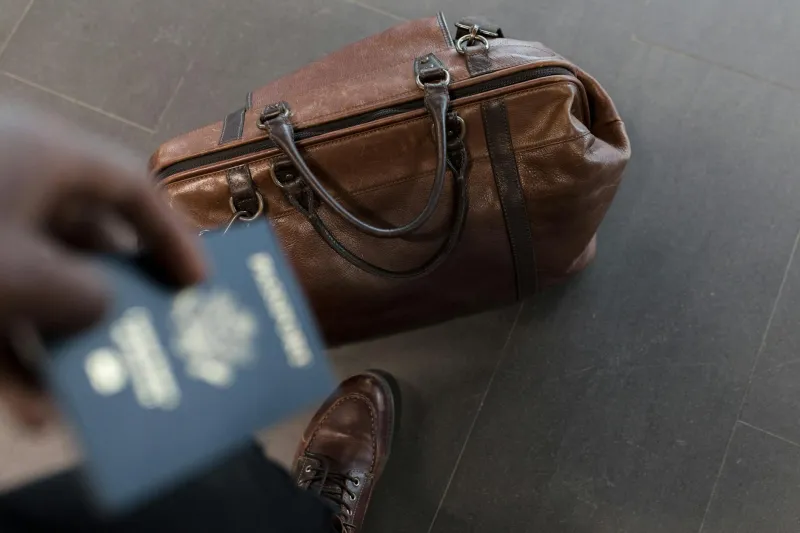
That passport, when it finally arrived, felt like a sacred document. Thick, official, and stamped with government seals, it represented permission to leave the United States—something that wasn't automatic or assumed.
Today, you can book a flight to Paris while standing in line at Starbucks and receive an expedited passport in 24 hours if you're willing to pay extra. What once required months of planning now happens in minutes.
When Travel Agents Were Expedition Leaders
Before the internet, international travel required a translator—someone who could navigate the incomprehensible world of airline schedules, hotel bookings, and foreign currency exchange. Enter the travel agent, part logistics coordinator, part cultural anthropologist.
Mrs. Henderson at Midwest Travel didn't just book flights. She educated clients about customs regulations, advised on appropriate clothing for different climates, and provided typed itineraries that included backup plans for missed connections. She knew which hotels in London had rooms large enough for American expectations and which restaurants in Rome would accommodate travelers who couldn't speak Italian.
These weren't vacation planners—they were expedition organizers preparing Americans for genuine cultural immersion.
The Suitcase That Held Your Entire World
Packing for international travel in the pre-digital era meant bringing everything you might possibly need. No Amazon Prime delivery to your hotel in Barcelona. No international phone plans or GPS navigation. No credit cards accepted everywhere.
Travelers packed like arctic explorers: multiple cameras with rolls of film, comprehensive first-aid kits, phrase books, maps, currency converters, and enough medication to last the entire trip plus emergencies. They carried traveler's checks—those peculiar financial instruments that required double signatures and constant paranoia about theft.
Every item in that suitcase was carefully considered because replacement wasn't an option.
When Departure Meant Disappearing
Perhaps the most profound difference was the complete communication blackout that international travel once required. When Patricia Walsh boarded that TWA flight to London, she effectively vanished from her normal life for six weeks.
No cell phones, no email, no social media updates from the Eiffel Tower. Staying in touch meant aerograms—those tissue-thin blue letters that took two weeks to cross the Atlantic—or expensive international phone calls made from hotel lobbies with operators who might not speak English.
 Photo: Eiffel Tower, via c8.alamy.com
Families said goodbye at airport gates (yes, non-passengers could walk right to the boarding area) with genuine uncertainty about when they'd communicate again. Travel wasn't documented and shared in real-time; it was experienced privately and recounted later through photo albums and stories.
The Economics of Adventure
International travel was expensive in ways that went beyond ticket prices. Currency exchange happened at banks with unfavorable rates and hefty fees. Credit cards were rarely accepted outside major hotels. Running out of money abroad was a genuine crisis that couldn't be solved with a quick transfer from your phone.
Most Americans simply didn't travel internationally. In 1960, only 6% of Americans had passports, compared to 42% today. Going abroad was reserved for the wealthy, the military, or the exceptionally adventurous. It wasn't a casual spring break option or a weekend getaway.
The Weight of True Departure
This difficulty created something modern travelers rarely experience: the psychological weight of genuine departure. When leaving meant truly leaving—no safety net of instant communication or easy return—every international trip carried emotional significance.
Families gathered for farewell dinners. Friends threw going-away parties. Travelers wrote wills and updated insurance policies. The act of leaving the country felt momentous because it was momentous.
What We've Gained
Today's international travel is miraculous by historical standards. You can book flights, reserve hotels, research destinations, translate languages, navigate foreign cities, and stay in constant contact with home—all from a device in your pocket.
Budget airlines make European weekends possible for middle-class Americans. Airbnb provides accommodation options that didn't exist. Google Translate eliminates language barriers. GPS ensures you'll never be truly lost.
Travel insurance, international banking, and embassy services provide safety nets that earlier travelers couldn't imagine. If something goes wrong abroad, help is usually a phone call away.
The Vanished Adventure
But something irreplaceable disappeared when travel became frictionless. The planning phase that once built anticipation for months has compressed into last-minute decisions. The cultural preparation that once felt necessary now seems quaint when Google can answer any question instantly.
Most significantly, we've lost the sense of true adventure that came with genuine uncertainty. When you couldn't research every restaurant, read reviews of every hotel, or see photos of every destination beforehand, travel involved real discovery.
The Paradox of Choice
Modern travelers face a different kind of paralysis—not the logistical impossibility of international travel, but the overwhelming abundance of options. Instead of one carefully planned trip per decade, we're confronted with infinite possibilities and constant pressure to optimize every decision.
Travel blogs promise "hidden gems" that cease being hidden once they're blogged about. Social media creates pressure to visit Instagram-worthy destinations rather than places that genuinely interest you. The democratization of travel information has somehow made choosing where to go more difficult, not easier.
What We're Still Seeking
The popularity of "unplugged" travel experiences, digital detox retreats, and adventure tourism suggests modern travelers are hungry for something that convenience culture can't provide: the sense of genuine discovery and personal challenge that once defined international travel.
Some travelers deliberately recreate elements of the old experience—leaving phones behind, avoiding tourist areas, or choosing destinations specifically because they're difficult to reach. They're trying to recapture the transformation that happened when travel required genuine courage rather than just a credit card.
The Lost Art of Being Lost
Perhaps what we miss most is the possibility of being truly lost—geographically, culturally, and personally. When every corner of the earth is mapped, reviewed, and Instagrammed, when every question can be answered instantly and every problem solved with an app, travel becomes tourism rather than transformation.
The Americans who boarded those TWA flights in 1968 weren't just changing locations—they were stepping into the unknown. They returned home changed not just by what they saw, but by who they had to become to navigate unfamiliar worlds without a safety net.
That kind of travel—uncertain, challenging, and transformative—still exists. But you have to choose it deliberately, fighting against every convenience that modern technology offers. The question is whether we're brave enough to leave our phones behind and rediscover what it means to truly depart.