The Democratic Battleground of Prime Time
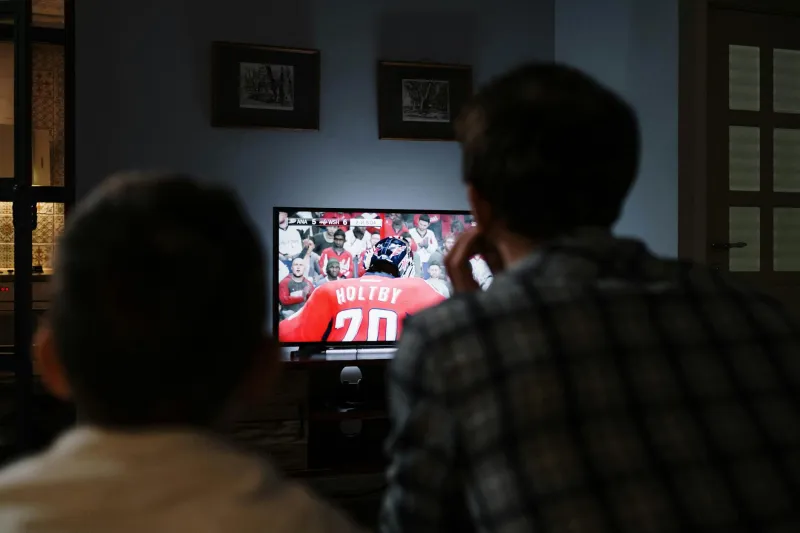
Every evening around seven o'clock, a peculiar form of democracy played out in living rooms across America. Families gathered around their single television set — often a massive wooden console that dominated the room — and engaged in the nightly ritual of deciding what everyone would watch together. It wasn't always pretty, but it was undeniably communal.
Dad might lobby for the evening news or a Western. Mom could make a case for her favorite variety show. The kids would campaign hard for cartoons or sitcoms. But in the end, someone had to win, which meant everyone else had to compromise. This wasn't a bug in the system — it was the entire point.
That single glowing screen created something that seems almost impossible today: a shared cultural experience that happened simultaneously in millions of homes across the country. When Lucy got into trouble, when Walter Cronkite delivered the news, when Ed Sullivan introduced the Beatles, America watched together — not just as individual families, but as a nation.
 Photo: Ed Sullivan, via www.thoughtco.com
 Photo: Walter Cronkite, via cdn.britannica.com
The Art of Appointment Viewing
Television programming operated on the networks' schedule, not yours. If you wanted to watch your favorite show, you had to be in front of the TV at exactly the right time. Miss it, and you'd have to wait for summer reruns or hope someone at work or school could fill you in on what happened.
This constraint created a unique rhythm to American life. Families planned their evenings around television schedules. Dinner had to be finished by eight if you wanted to catch the good shows. Homework was strategically timed around favorite programs. Social plans were made with TV schedules in mind — "We can't go out Friday night; that's when Dallas is on."
The living room became the command center for these decisions. TV Guide wasn't just a magazine; it was the family planning document that determined how evenings and weekends would unfold. Parents would circle shows in advance, creating a weekly entertainment itinerary that everyone had to navigate together.
When Negotiation Was a Life Skill
The single-television household turned every family into expert negotiators. Kids learned to make compelling arguments for their viewing preferences. Parents had to balance their own entertainment desires against family harmony. Siblings discovered the art of compromise and the strategic value of forming alliances.
"If we watch your detective show tonight, can we watch the cartoon special tomorrow?" became the kind of diplomatic language that children learned as naturally as they learned to ride bikes. The concept of "taking turns" extended beyond playground equipment to prime-time programming.
These negotiations weren't just about television — they were lessons in democracy, compromise, and consideration for others. Every family member had to learn that their preferences mattered, but so did everyone else's. The living room became a training ground for the social skills that would serve them throughout their lives.
The Shared Cultural Currency
Because everyone watched the same limited selection of shows, American culture had a common vocabulary that seems impossible to recreate today. Monday morning conversations at work or school revolved around what everyone had watched the night before. Television shows created shared references that could bridge age gaps, social classes, and regional differences.
When a major television event happened — a season finale, a special episode, a live broadcast — it became a genuine cultural moment that united the country. The final episode of MAS*H drew over 100 million viewers, representing nearly half of all Americans. Today's most popular shows struggle to reach 10 million viewers in a country with a much larger population.
 Photo: MASH, via www.jit.academy
This shared viewing created what sociologists call "social cohesion" — the sense that we're all part of the same cultural conversation. Families developed inside jokes based on TV shows they'd watched together. Parents and children found common ground through programs they both enjoyed. Television became a bonding agent that brought generations together rather than driving them apart.
The Transformation Nobody Planned
The change didn't happen overnight. First came cable television, which expanded viewing options but still required families to choose from a shared menu. Then VCRs allowed families to time-shift their viewing, though they still generally watched recorded programs together.
The real transformation began with the proliferation of television sets throughout the house. Kids got TVs in their bedrooms. Parents put sets in the kitchen and master bedroom. Suddenly, the living room television wasn't the only option — it was just one of many.
As screens multiplied, family viewing habits fractured. Everyone could watch what they wanted, when they wanted, without negotiating or compromising. The democratic process that once governed evening entertainment became unnecessary. Individual preference replaced family consensus.
The Personal Entertainment Revolution
Today's households represent the complete opposite of that single-screen era. Streaming services offer unlimited options available at any time. Personal devices mean everyone can watch different content simultaneously, even while sitting in the same room. The idea of waiting for a specific time to watch a specific show seems as antiquated as waiting for the milkman.
Modern families often struggle to find shows that appeal to multiple generations or even to coordinate viewing schedules. Parents and children develop entirely separate entertainment preferences, consuming content that the other generations in their household have never heard of. The shared cultural vocabulary that television once provided has splintered into countless micro-communities organized around specific shows, genres, or platforms.
The living room itself has often lost its central role in family life. Many homes now feature multiple entertainment spaces, each optimized for individual viewing preferences. The communal gathering space has been replaced by personal entertainment zones that prioritize individual satisfaction over shared experience.
What We Gained and What We Lost
The benefits of our current system are obvious: unprecedented choice, complete convenience, and the ability to watch exactly what you want exactly when you want it. No more sitting through shows you hate just because everyone else wants to watch them. No more missing favorite programs because of scheduling conflicts.
But something valuable disappeared in the translation. The skills we once learned through television negotiations — patience, compromise, consideration for others — now have to be taught in other ways. The shared cultural touchstones that once brought families and communities together have been replaced by increasingly personalized entertainment experiences.
Perhaps most significantly, we've lost the simple pleasure of discovering something new because someone else in our family wanted to watch it. Those moments of reluctant viewing that turned into genuine enjoyment, or the experience of seeing your parents laugh at something you'd never expected them to find funny.
The living room where everyone watched together wasn't just about television — it was about learning to be part of something larger than yourself, even when that something was just deciding what to watch after dinner. In gaining perfect entertainment freedom, we may have lost something essential about what it means to be a family sharing the same space, the same time, and the same glowing screen.