The Dealership Used to Close Before Dinner: When Buying a Car Didn't Require Emotional Preparation
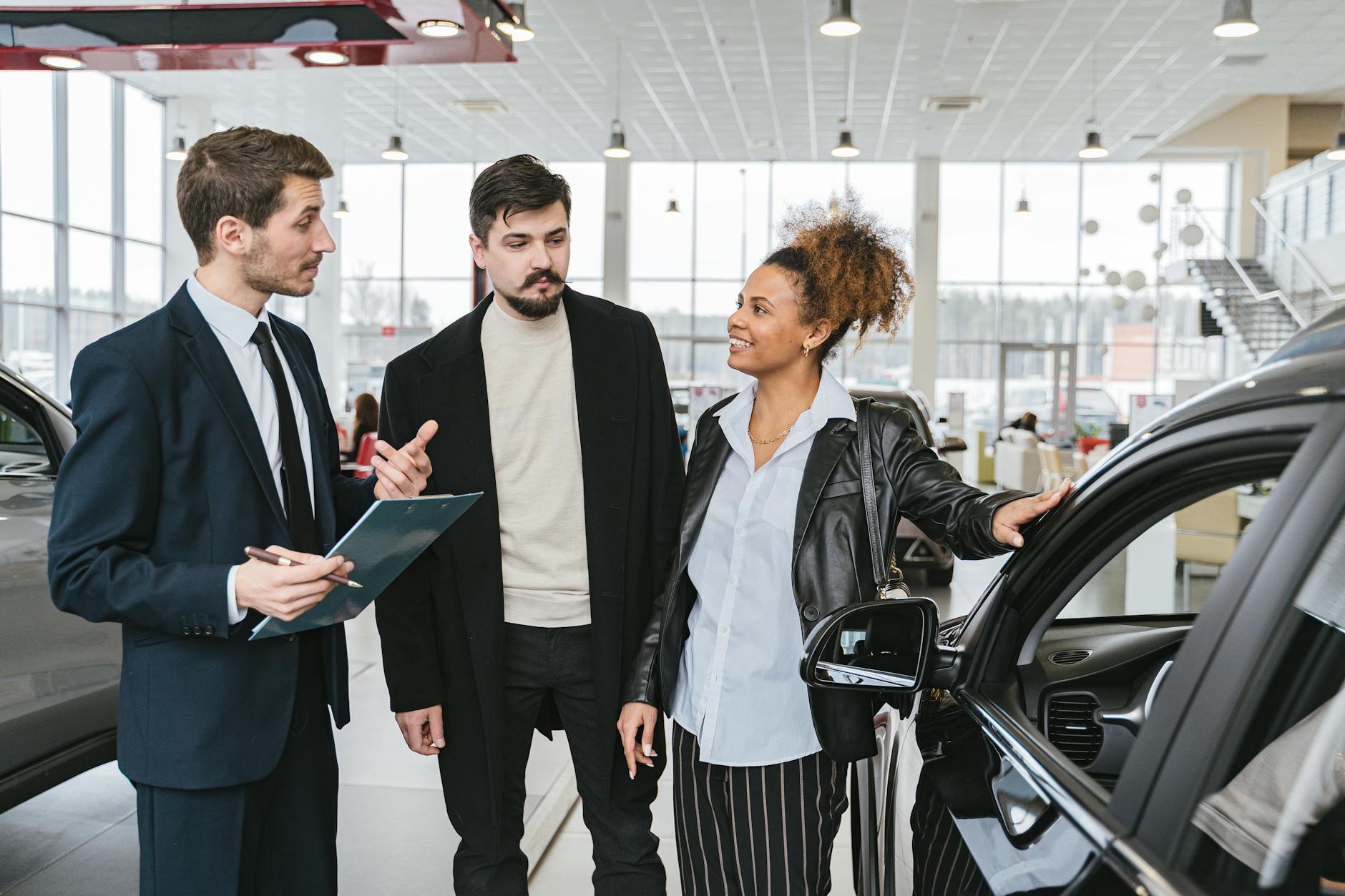
The Dealership Used to Close Before Dinner: When Buying a Car Didn't Require Emotional Preparation
There's a particular kind of dread that settles in the night before you're planning to buy a car. You've done your research. You know the invoice price, the market value, the interest rate you qualify for. You've read the forums. You've told yourself you won't be upsold. And yet you still know — from experience or from cultural osmosis — that you're going to walk into that dealership and spend the better part of your day inside a room with fluorescent lighting, agreeing to things you didn't intend to agree to.
It wasn't always like this.
The Transaction That Used to Take an Hour
In the postwar decades, buying a car was a relatively contained event. The American automobile industry was booming, dealerships were locally owned and community-rooted, and the salesman — often a person who actually lived in your town and would see you at the grocery store — had a different kind of incentive than pure commission extraction. Reputation was local. Word traveled.
The process itself was simpler by necessity. Financing options were limited. Most buyers either paid cash or arranged a loan through their own bank before setting foot on the lot. The negotiation happened between the buyer and the salesman, the number was written on a piece of paper, hands were shaken, paperwork was signed, and the keys changed hands. The whole thing might take an hour. Maybe two if you were chatty.
Car buying in the 1950s and early 1960s wasn't without its pressures — the high-pressure salesman is not a new invention — but the architecture of the transaction was fundamentally different. There were fewer layers, fewer offices to pass through, and fewer products being sold to you under the guise of protecting your investment.
The Financing Office Changed Everything
The single biggest structural shift in the car-buying experience was the rise of dealer-arranged financing. For most of the 20th century, this wasn't a major revenue center for dealerships. But as automakers began offering their own financing arms — GMAC, Ford Motor Credit, and their equivalents — and as the paperwork required to process a loan became something dealerships could handle in-house, the finance and insurance office (universally known as the F&I office) became one of the most profitable corners of the entire transaction.
By the 1980s and 90s, the F&I office had evolved into something close to a science. Dealerships trained F&I managers specifically in the psychology of closing. The customer, already worn down by hours of negotiation on the floor, is brought into a small office and presented with a menu of add-ons: extended warranties, paint protection packages, tire and wheel coverage, GAP insurance, fabric sealant, nitrogen-filled tires. Each item is presented as a modest monthly addition to the payment — $12 more a month — rather than as what it actually costs over the life of the loan.
Those numbers add up. Industry data suggests that the average American car buyer today spends somewhere between $1,500 and $3,000 on F&I products, many of which offer limited value relative to their cost. The profit margins on these products frequently exceed the margin on the car itself.
The Four-Square and Other Psychological Architecture
The modern dealership sales process didn't arrive fully formed. It was refined over decades through careful observation of what worked. The "four-square" worksheet — a single sheet divided into quadrants showing vehicle price, trade-in value, down payment, and monthly payment — became widespread in the 1980s because it allowed salespeople to shift a customer's focus from the total price of the car to a single monthly number. If you can get someone focused on whether they can afford $450 a month, you can stretch the loan term, roll in fees, and add products without the overall cost ever becoming the primary point of discussion.
Dealer add-ons became standardized. Market adjustment markups during periods of high demand. Documentation fees that vary wildly by state and dealership. Destination charges, advertising fees, and dealer-installed accessories — tinted windows, floor mats, pinstripes — that appear on the window sticker at prices that have no relationship to their actual cost.
None of this is illegal. Most of it is disclosed, in fine print, at some point in the process. But it is deliberately structured to be difficult to track and easy to accept when you've been in the building for four hours and you just want to go home.
Why Americans Keep Showing Up
What's remarkable is how little the fundamental experience has changed despite how universally it is disliked. Surveys consistently rank car dealerships among the least trusted businesses in America. The process routinely tops lists of the most stressful consumer experiences. And yet the franchise dealership model, protected in most states by laws that prevent automakers from selling directly to consumers, has remained largely intact.
Tesla's direct-sales model cracked this open slightly, and a handful of online platforms now allow buyers to complete significant portions of the transaction before setting foot in a showroom. The pandemic briefly accelerated this — contactless delivery and online paperwork became temporarily normal. But the full-day dealership marathon remains the dominant experience for most Americans buying a new or used vehicle.
The car itself hasn't fundamentally changed what it represents: independence, identity, necessity. Americans buy cars because they have to, in a country built around the assumption that you will have one. That captive demand is, ultimately, the reason the process can be as miserable as it is and still reliably fill the lot every weekend.
The salesman who knew your name and closed the deal before dinner wasn't a myth. He was just a product of a simpler transaction — one that didn't yet know how much more money was sitting on the table.