The Sunday Afternoon Journey to Nowhere: When Americans Drove Just to Drive
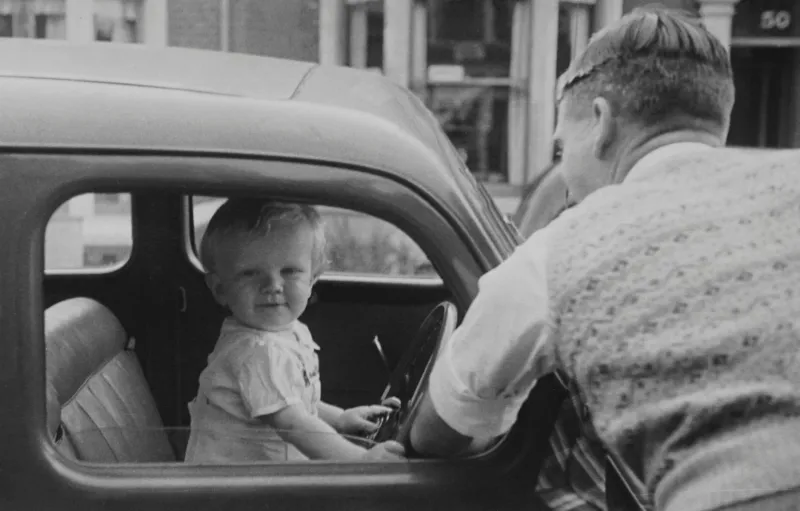
The Ritual That Defined Sunday
Every Sunday after church, from the 1920s through the 1970s, something magical happened in driveways across America. Families would pile into their cars—Dad behind the wheel, Mom with her purse and a thermos of coffee, kids pressed against the windows—and simply drive. No destination marked on a map. No restaurant reservation waiting. No schedule to keep.
They called it the Sunday drive, and for millions of Americans, it was the highlight of the week.
This wasn't just transportation. It was entertainment, family time, and exploration rolled into one leisurely afternoon ritual. The Sunday drive represented something we've almost entirely lost: the idea that the journey itself could be the destination.
When Cars Were Theaters on Wheels
In the golden age of the Sunday drive, cars weren't just vehicles—they were mobile living rooms where families spent hours together. The radio provided a soundtrack of big band music or gospel hymns. Windows stayed down in summer, letting in the smell of fresh-cut grass and barbecue smoke from backyard gatherings.
Families would cruise through neighborhoods they'd never seen, past farms where corn grew tall in neat rows, along rivers that sparkled in the afternoon sun. Children would count license plates from different states, play twenty questions, or simply watch the world roll by at a gentle 35 miles per hour.
The pace was everything. These drives weren't about getting somewhere fast—they were about taking time to see what was out there. A particularly beautiful stretch of road might prompt Dad to slow down even more, or pull over entirely so everyone could admire a view.
The Geography of Wandering
Sunday drives created an intimate knowledge of local geography that GPS has made obsolete. Families knew every back road within a fifty-mile radius of home. They discovered hidden lakes, charming small towns, roadside produce stands, and scenic overlooks that never appeared in any guidebook.
These drives often followed a loose pattern: out of town on one road, back on another, creating loops that might take two or three hours to complete. The goal wasn't efficiency—it was variety. Why take the same route twice when there were dozens of roads to explore?
Some families had favorite routes they'd return to seasonally: the apple orchard road in fall, the route past the lake in summer, the hillside drive when spring flowers bloomed. These weren't just drives—they were ways of marking time and staying connected to the changing landscape.
The Economics of Simple Pleasure
A Sunday drive cost almost nothing beyond gasoline, which in the 1950s ran about 27 cents per gallon. For a few dollars, a family could spend an entire afternoon together, seeing new sights and enjoying each other's company. It was democracy's perfect entertainment—accessible to anyone who owned a car.
Compare that to today's family entertainment options. A trip to the movies costs $60 for a family of four. Theme parks run into the hundreds. Even a simple restaurant meal requires planning and budgeting. The Sunday drive asked for nothing but time and curiosity.
When Navigation Meant Adventure
Without GPS or even detailed maps, getting lost was part of the experience. Families would stop at gas stations to ask directions, chat with locals about interesting sights ahead, or simply make their best guess about which road to take. These unplanned detours often led to the day's best discoveries.
Children learned to read road signs and help navigate. They developed an intuitive sense of direction and distance that many young people today never acquire. The family car became a classroom for geography, local history, and basic problem-solving.
The Death of Aimless Wandering
By the 1980s, the Sunday drive was already becoming a relic. Rising gas prices made recreational driving seem wasteful. Suburban sprawl meant longer commutes and less enthusiasm for additional time in the car. Shopping malls and organized youth sports claimed Sunday afternoons.
Most importantly, our relationship with efficiency changed everything. The idea of driving without a specific destination began to feel pointless, even irresponsible. Why waste time wandering when you could be accomplishing something measurable?
Today, our phones optimize every route. We know exactly where we're going and how long it will take to get there. Traffic apps redirect us around slowdowns with ruthless efficiency. The very idea of driving aimlessly seems almost absurd in our productivity-obsessed culture.
What We Lost in the Rearview Mirror
The death of the Sunday drive represents more than just a change in leisure habits—it's a fundamental shift in how we experience the world around us. We've traded discovery for efficiency, wandering for optimization, shared experience for individual screen time.
Modern families are more likely to spend Sunday afternoons in separate rooms, each absorbed in their own device, than piled together in a car exploring back roads. We've gained the ability to find anything instantly, but lost the joy of stumbling across something unexpected.
The Sunday drive taught patience, curiosity, and the value of unstructured time together. It reminded us that sometimes the best destination is simply being present with the people you love, watching the world unfold at exactly the speed you choose to see it.
In our rush to get everywhere faster, we forgot that sometimes the most meaningful journeys are the ones that go nowhere at all.