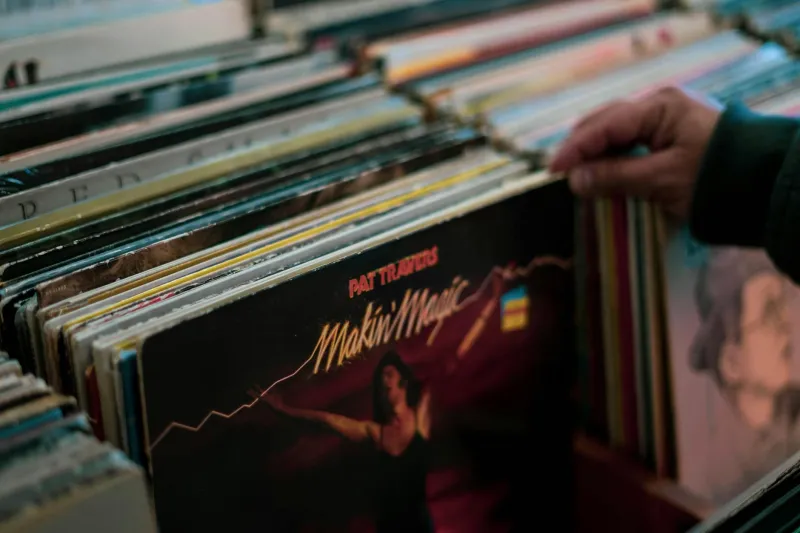
The bell above the door announced your arrival with a rusty chime, and suddenly you were inside the temple. Towers of vinyl records stretched toward water-stained ceiling tiles, organized by genres that the clerk guarded like sacred knowledge. This was Moondog Records, or Tower Records, or whatever independent record shop had claimed your neighborhood as its territory.
You had twenty dollars and an entire Saturday afternoon. The mission: find something worth playing until the grooves wore smooth.
The Geography of Musical Discovery
Every record store had its own ecosystem, as distinct as a fingerprint. The jazz section might be alphabetized with scientific precision, while the punk bins looked like a hurricane had passed through. Hand-written price tags in faded ink suggested stories—why was this Velvet Underground album marked down to three dollars? What did the clerk know that you didn't?
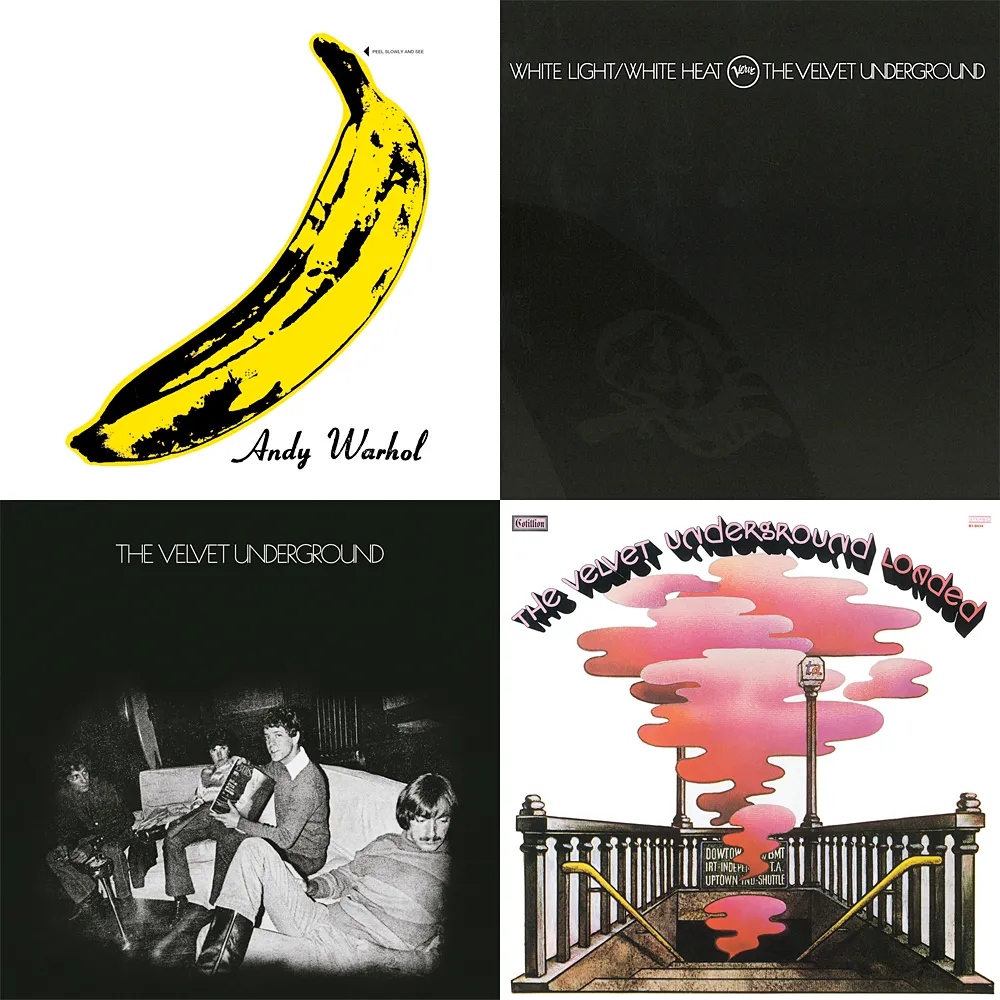 Photo: Velvet Underground, via velvetunderground-experience.com
Navigating these spaces required genuine skill. You learned to flip through records with the proper technique—thumbs on the edges, never touching the grooves. You developed an eye for original pressings versus reissues, for imports that might contain rare B-sides. Most importantly, you learned to read the subtle signals that separated the serious collectors from the casual browsers.
Today's music discovery happens in seconds. Spotify's algorithm analyzes your listening history, cross-references it with millions of other users, and instantly generates a "Discover Weekly" playlist tailored to your exact preferences. The system is eerily accurate, serving up songs you didn't know you wanted to hear.
But algorithmic perfection comes with a cost. When every recommendation is calculated to please, where's the room for genuine surprise? For the shock of discovering that the weird album with the ugly cover art contains your new favorite song?
The Clerks Who Ruled Musical Taste
Behind every great record store stood a clerk who could make or break your musical education with a single raised eyebrow. These weren't just cashiers—they were gatekeepers, tastemakers, and occasionally, musical prophets who could predict which obscure band would be selling out arenas in five years.
Approaching the counter with your selections was like presenting a thesis defense. The clerk might nod approvingly at your choice of Television's "Marquee Moon," then smirk at the Fleetwood Mac album underneath it. "If you like that," they might say, sliding a worn copy of Big Star across the counter, "try this instead."
These interactions could be intimidating, even humiliating. Many a teenager fled record stores in shame after being dismissed by a clerk who found their musical taste insufficiently evolved. But for those brave enough to endure the judgment, these encounters provided an education no streaming service could match.
The clerks possessed encyclopedic knowledge earned through years of listening, reading liner notes, and engaging in passionate debates about the superiority of analog versus digital recording. They knew which albums were recorded on which equipment, which producers worked with which bands, and most importantly, which records would change your life if you gave them a chance.
The Ritual of the Saturday Afternoon Browse
Record shopping wasn't a transaction—it was an expedition. You might spend three hours in a single store, methodically working through every section, occasionally discovering entire genres you hadn't known existed. The "World Music" bin might introduce you to Fela Kuti. The classical section could yield a budget recording of Beethoven's symphonies that sounded better than the expensive imports.
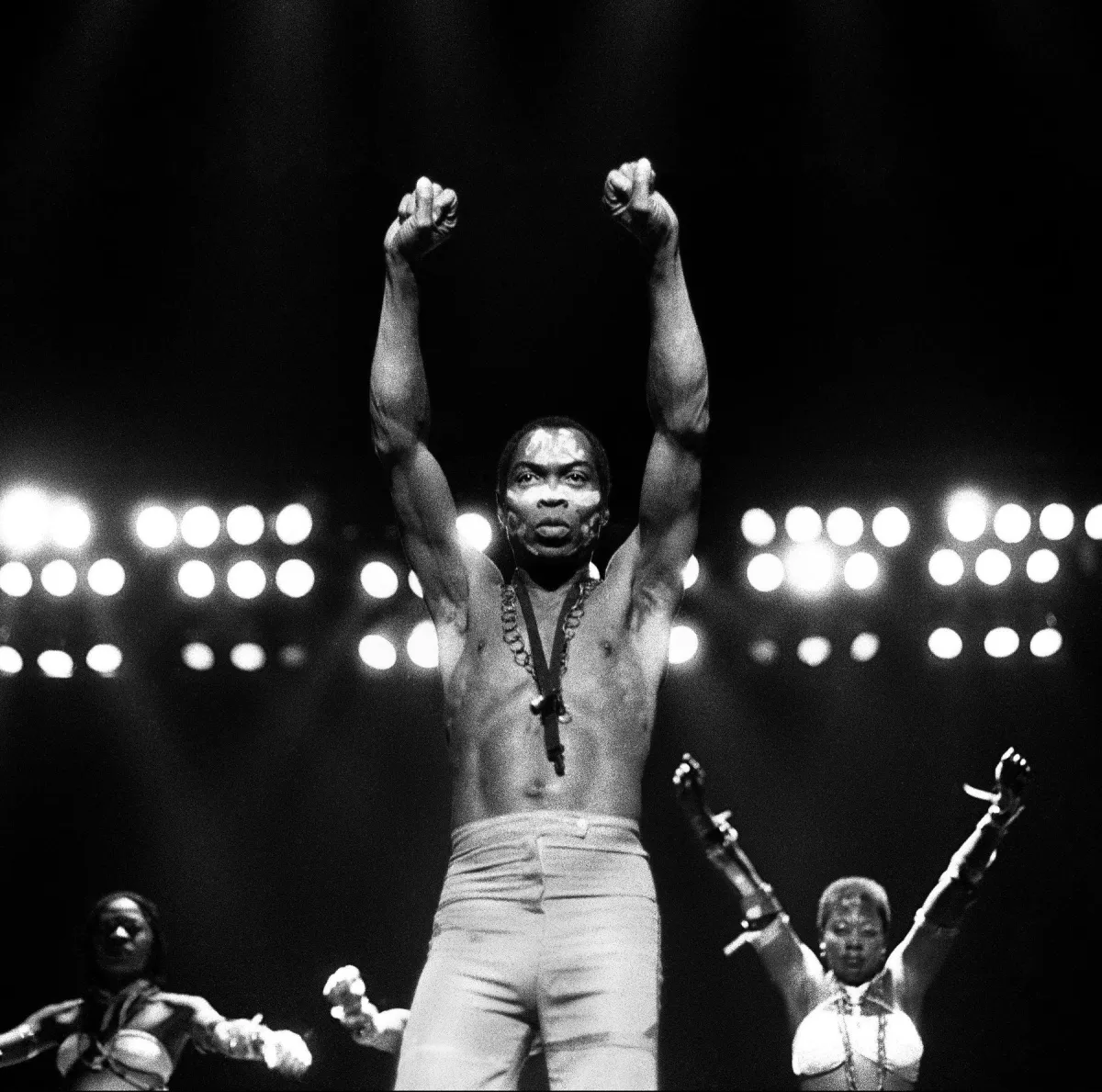 Photo: Fela Kuti, via singersroom.com
The physical nature of vinyl forced you to engage with music as art objects. Album covers told stories, revealed influences, and provided visual context for the sounds inside. You studied liner notes like scripture, learning who played what instrument, where the album was recorded, and who the band thanked in their acknowledgments.
This tactile relationship with music created emotional connections that digital files struggle to match. The weight of a double album, the smell of old cardboard, the anticipation of dropping the needle onto virgin vinyl—these sensory experiences became inseparable from the music itself.
When Risk Was Part of the Reward
Every record purchase was a gamble. With no way to preview tracks beyond the occasional listening station, you made decisions based on cover art, band names, and label reputations. Sometimes you struck gold—discovering Led Zeppelin through a friend's recommendation or stumbling upon Joni Mitchell in the folk section. Other times you went home with expensive coasters.
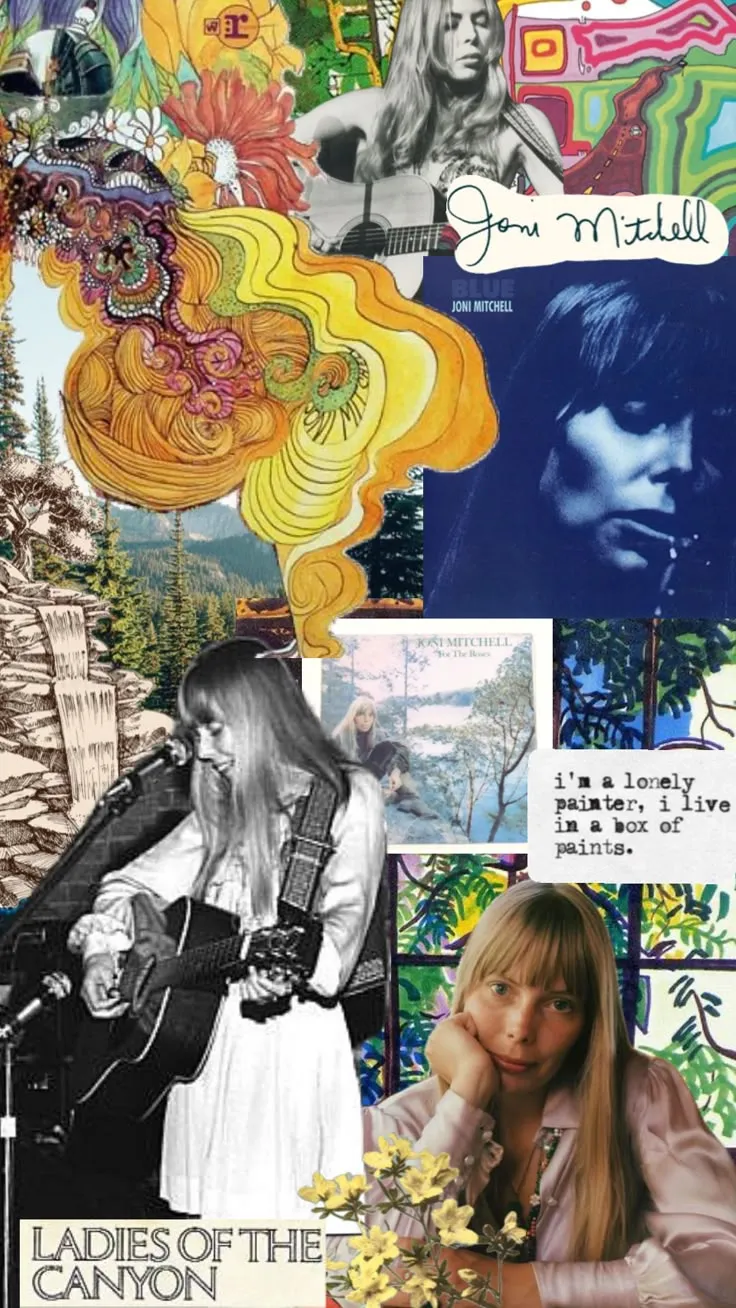 Photo: Joni Mitchell, via i.pinimg.com
These failures taught valuable lessons. You learned to trust certain record labels that consistently released quality music. You developed an eye for cover art that suggested serious musical intent versus obvious commercial pandering. Most importantly, you learned that musical taste develops through exposure to both triumph and disappointment.
Modern streaming eliminates this risk entirely. With access to millions of songs for a monthly fee, there's no penalty for exploration. You can sample any artist, skip songs you dislike, and create perfect playlists without ever committing to a complete album.
This convenience is undeniably valuable, but it may have eliminated something essential: the motivation to give difficult music a chance. When you've invested twenty dollars in an album, you're likely to listen until you find something worthwhile. When music is free and infinite, the temptation to skip anything that doesn't immediately grab you becomes overwhelming.
The Social Currency of Musical Knowledge
Record stores served as community centers for music lovers. You might strike up conversations with strangers over shared discoveries, debate the merits of different pressings, or get tips about upcoming in-store performances. These spaces fostered a culture where musical knowledge was social currency and discovering great music was a collaborative effort.
The clerks often became local celebrities, known throughout the music community for their expertise and recommendations. Regular customers developed relationships that lasted years, built around shared musical passions and the ongoing quest for the perfect album.
This social aspect of music discovery has largely migrated online, where forums and social media provide platforms for musical discussion. But digital communities lack the immediacy and serendipity of physical spaces where chance encounters could lead to lifelong musical obsessions.
What We Gained, What We Lost
Today's music landscape offers unprecedented access and convenience. Streaming services provide instant access to virtually any song ever recorded, often in high-quality digital formats. Discovery algorithms introduce listeners to artists they might never have encountered in a physical store. The barriers to musical exploration have never been lower.
Yet something intangible disappeared when record stores closed and music became data rather than objects. We lost the community aspect of musical discovery, the thrill of the hunt, and the deep satisfaction that comes from finding treasure through genuine effort.
Perhaps most significantly, we lost the motivation to engage deeply with music we don't immediately understand. The algorithm serves us music we're likely to enjoy, but it rarely challenges us to expand our tastes or sit with difficult art until it reveals its secrets.
The record store represented music discovery at its most human—messy, inefficient, occasionally frustrating, but ultimately rewarding in ways that perfectly curated playlists can never match. In our rush toward convenience, we may have streamlined away the very friction that made finding great music feel like a genuine achievement.