The Bleachers That Built Communities
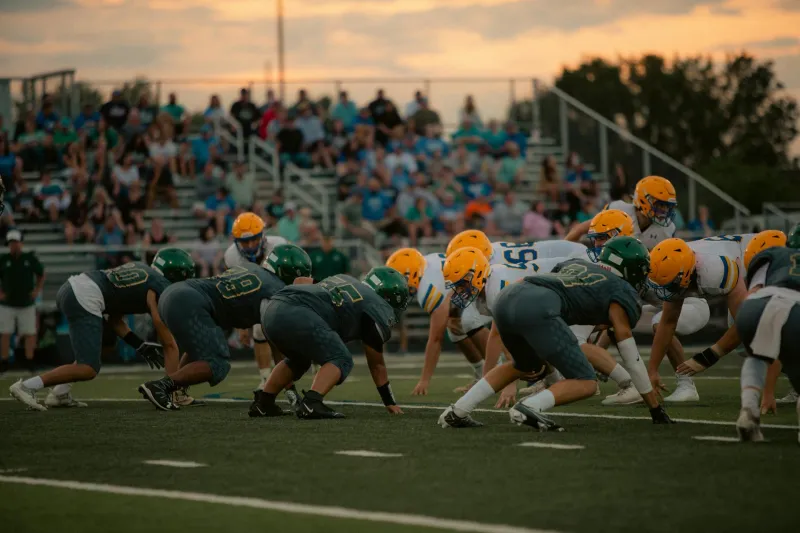
Every Friday night in Millfield, population 8,400, the same ritual played out with religious precision. By 6 PM, the parking lot at Memorial Stadium was packed with pickup trucks and station wagons. By kickoff, nearly half the town had squeezed onto aluminum bleachers to watch their neighbors' sons battle the boys from Riverside. The quarterback worked weekends at his dad's hardware store. The running back delivered your morning paper. The linebacker would be pumping your gas come Monday.
This wasn't just entertainment—it was community theater at its most authentic.
When Sports Stars Lived on Your Street
In 1980, the average American town of 10,000 people supported a remarkable ecosystem of local sports. Friday night high school football drew crowds of 3,000-5,000. Saturday afternoon featured American Legion baseball, where college-bound seniors played alongside young men working at the factory. Sunday brought church league softball, where the bank president might strike out against the guy who fixed his car.
The stars of these games weren't distant celebrities—they were your mechanic's kid, your teacher's nephew, the young man who bagged your groceries and called you "ma'am." When Tommy Morrison threw the winning touchdown pass, you didn't just celebrate a victory; you celebrated Tommy, whom you'd watched grow up, struggle with algebra, and date the pastor's daughter.
The Minor League Magic
Professional sports existed on a human scale too. Minor league baseball teams drew 200,000-400,000 fans per season to stadiums where you could sit behind home plate for three dollars and actually hear the players talking. The Millfield Miners weren't headed for the majors—most were local boys playing for love of the game and a small paycheck that let them delay real jobs for another summer.
Fans knew the players' batting averages, sure, but they also knew their day jobs, their girlfriends, and their struggles. When center fielder Bobby Chen struck out with the bases loaded, it stung differently because you'd see him at the diner tomorrow morning, probably beating himself up over it.
The Bowling Alley Democracy
Weeknight bowling leagues represented democracy in action. The company president rolled strikes alongside the janitor. The mayor's wife competed against the cashier from Woolworth's. League night at Sunset Lanes drew 200 people every Tuesday—teachers and mechanics, secretaries and farmers, all united by the satisfying crash of pins and the gentle trash talk between frames.
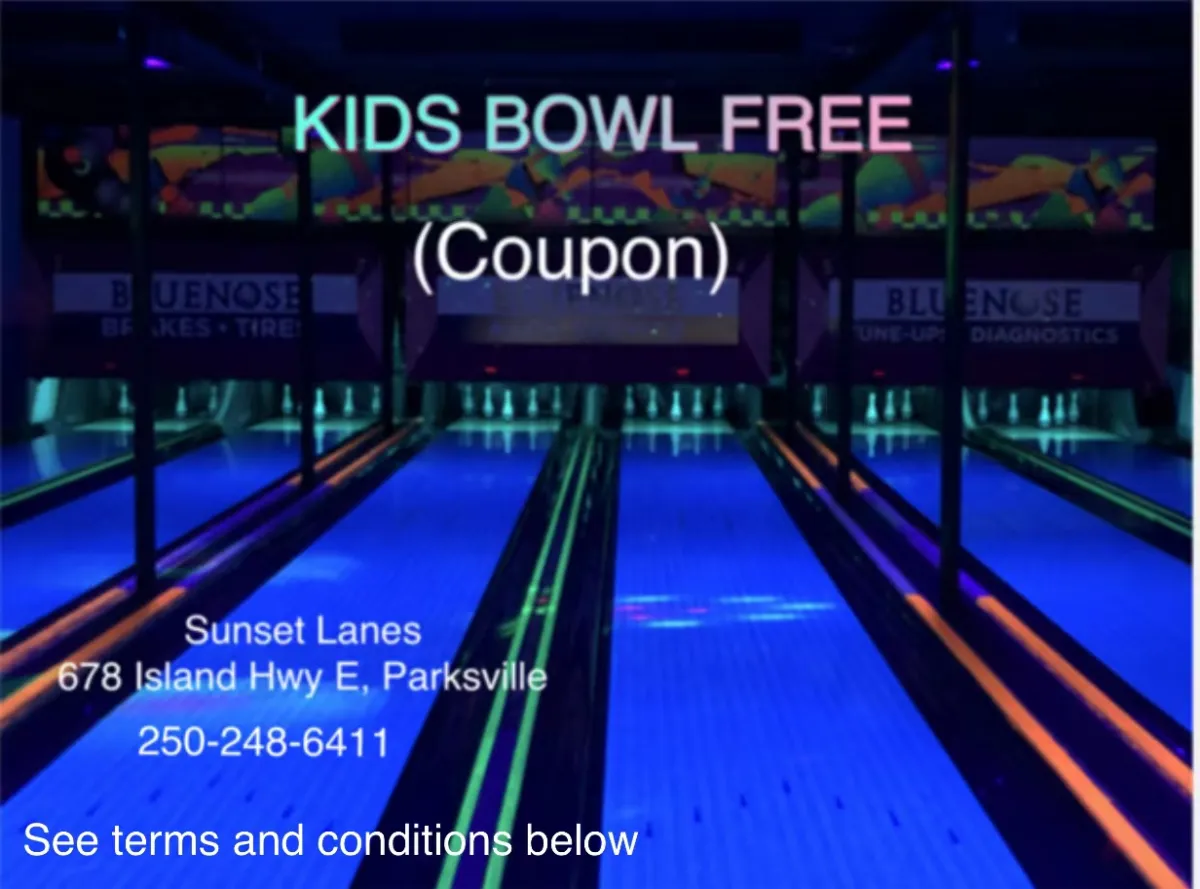 Photo: Sunset Lanes, via www.sunsetlanes.ca
These weren't casual games. League bowling was serious business, with season-long standings, playoffs, and championship banquets at the VFW hall. Local newspapers printed detailed box scores. Rivalries simmered for years. The hardware store team's victory over the bank team would fuel coffee shop conversations until spring.
The Great Attention Shift
Cable television arrived like a slow-moving earthquake, reshaping American entertainment preferences throughout the 1980s and 1990s. Suddenly, every Friday night offered alternatives to local football: college games from Notre Dame, professional matchups from Dallas, highlight packages from ESPN. Why watch your neighbor's kid throw wobbly passes when you could see perfection from the pros?
The numbers tell the story starkly. High school football attendance peaked in the early 1980s and has declined steadily ever since. Minor league baseball lost 40% of its attendance between 1990 and 2010. Adult recreational leagues—bowling, softball, basketball—hemorrhaged participants as Americans chose to watch distant athletes rather than play alongside neighbors.
The Algorithm of Isolation
Streaming technology completed the transformation. Netflix algorithms don't recommend your nephew's baseball game—they suggest highlights from last night's NBA playoffs. YouTube serves up endless clips of professional athletes making impossible plays, not your coworker's daughter scoring her first soccer goal.
Social media promised to connect us, but it connected us to strangers performing for cameras rather than neighbors performing for love. We follow athletes we'll never meet while ignoring the games happening in our own backyards.
What We Lost in Translation
The shift from local to distant sports entertainment cost us more than community bonding—it changed how we understand excellence and effort. When you watched Tommy Morrison play quarterback, you saw the whole person: his struggles in chemistry class, his part-time job at the grocery store, his genuine effort to balance athletics with real life. Professional athletes, no matter how talented, exist for us only as performers, divorced from the mundane realities that make achievement meaningful.
Local sports also taught different lessons about failure and perseverance. When Tommy threw three interceptions against Riverside, he didn't disappear into a mansion or get traded to another city. He showed up to school Monday morning, faced the jokes and disappointment, and kept working. That kind of resilience, witnessed up close, taught spectators something about character that highlight reels can never convey.
The Economics of Belonging
Local sports operated on economics of genuine scarcity and investment. Tickets were cheap, but your presence mattered. Miss a few games, and people noticed. Your attendance contributed directly to the team's ability to buy uniforms, maintain the field, and keep the lights on.
Professional sports, by contrast, operate on artificial scarcity designed to maximize revenue. Ticket prices soar while television contracts ensure that teams profit whether you attend or not. You become a consumer rather than a community member, purchasing entertainment rather than participating in shared culture.
The Participation Trophy Generation
Ironically, as we shifted toward watching distant professionals, youth sports became increasingly professionalized and exclusive. Travel teams replaced neighborhood leagues. Specialized training replaced pickup games. The casual, inclusive sports culture that once united communities gave way to expensive, competitive systems that divide them.
Today's parents drive hours to watch their children compete against strangers, while the local high school team plays to half-empty bleachers. We've created a generation that knows more about LeBron James's statistics than their own neighbors' struggles and triumphs.
Friday Night Under the Lights
Some communities still gather on Friday nights, still fill bleachers to cheer for neighbors' children. But they're increasingly outnumbered by Americans who prefer the polished perfection of professional sports to the beautiful imperfection of local games.
We gained access to the highest levels of athletic achievement, available anytime on any device. We lost the irreplaceable experience of cheering for people we actually know, of watching our neighbors fail and succeed and try again. We traded community theater for Hollywood blockbusters—technically superior, perhaps, but missing the human connection that made the original so meaningful.
The lights still burn on Friday nights in small-town stadiums across America. But too often, they illuminate empty seats where neighbors once sat, sharing popcorn and pride in equal measure.