The Building Where Knowledge Had No Price Tag: How America's Public Libraries Lost Their Cultural Crown
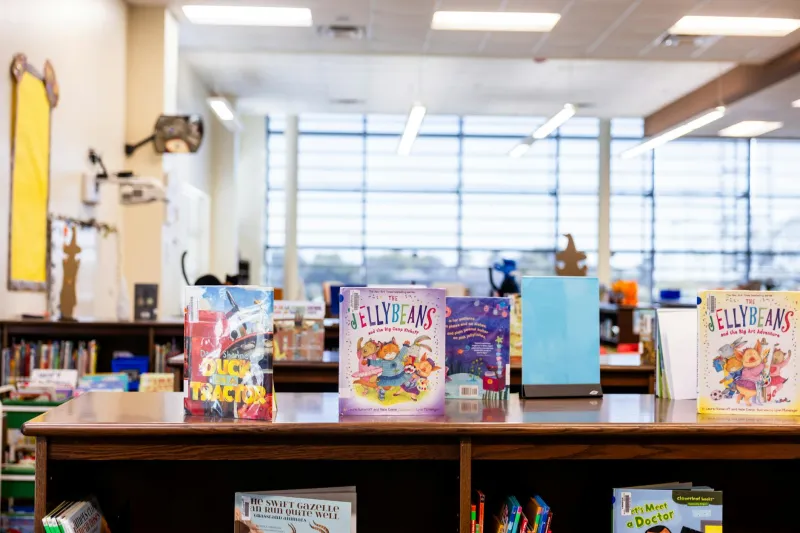
The Cathedral of Free Knowledge
Walk into most American public libraries today and you'll find a quiet shadow of what once stood as the most democratic institution in town. The hushed atmosphere feels almost apologetic, as if the building itself knows it's no longer the vital organ it once was in the community's body.
But step back sixty years, and you'd find something entirely different. The public library wasn't just a repository for books—it was the great equalizer, the one place where your family's bank account didn't determine your access to the world's knowledge.
When the Library Was Your Internet
Before Google existed, before Wikipedia, before you could summon any fact with a few taps on a screen, there was the reference librarian. These weren't just book organizers; they were human search engines with decades of experience navigating the labyrinth of human knowledge.
Need to settle a dinner table argument about the height of Mount McKinley? The library had almanacs. Planning a family vacation to Yellowstone? Travel guides lined the shelves. Your teenager struggling with algebra? The library offered both tutoring sessions and quiet study spaces where concentration actually meant something.
The card catalog wasn't just a filing system—it was a treasure map. Each wooden drawer held thousands of possibilities, and learning to navigate those tiny typed cards was like learning a secret language that opened doors to everything from ancient philosophy to modern engineering.
The Community Living Room
Libraries served as America's unofficial town halls. Story time wasn't just entertainment for children; it was where working parents could count on free, educational childcare while they browsed job listings posted on the bulletin board. The reading rooms buzzed with retired teachers helping kids with homework, immigrants studying for citizenship tests, and job seekers typing résumés on the communal typewriters.
Every Saturday morning, the children's section transformed into a miniature university. Librarians didn't just read stories—they created entire worlds, complete with puppet shows, craft projects, and summer reading programs that made learning feel like the greatest adventure imaginable.
For teenagers, the library offered something even more valuable: independence. Parents trusted the library in ways they'd never trust a shopping mall. It was safe, supervised, and educational. Teens could explore ideas, meet friends, and discover books their parents might never have approved of at home.
The Great Transformation
Somewhere between the rise of the internet and the explosion of smartphones, libraries began their quiet retreat from American life. Budget cuts came first—reduced hours, smaller staff, older collections. Then came the philosophical shift: why fund physical books when everything was going digital?
But the real change wasn't technological—it was cultural. Americans stopped believing they needed a special place for learning. Why visit the library when Amazon could deliver any book to your door? Why attend story time when YouTube had endless children's content? Why use the library's computers when everyone carried one in their pocket?
What the Numbers Don't Show
Today's library statistics paint a grim picture. Circulation numbers have plummeted. Many branches operate with skeleton crews, offering limited weekend hours and closing early on weekdays. The average American visits their public library less than five times per year, compared to nearly monthly visits in the 1960s.
But these numbers miss something crucial: what we lost wasn't just books, but the experience of shared intellectual curiosity. The library was where you discovered books you never knew you wanted to read, simply by wandering the stacks. It was where chance encounters with neighbors led to conversations about ideas, not just weather and sports.
The Irreplaceable Human Element
Google can answer questions, but it can't ask the right follow-up questions. Netflix can recommend movies, but it can't hand you a book and say, "If you liked that film, you'll love this author." Amazon can deliver products, but it can't create the serendipity of stumbling across exactly what you needed but didn't know existed.
Librarians weren't just information gatekeepers—they were intellectual matchmakers, connecting curious minds with the perfect resources. They knew their community's interests, tracked reading trends, and could guide a shy eight-year-old from picture books to chapter books with the skill of a master teacher.
The Price of Convenience
We traded the library's democratic ideals for the convenience of instant access. But that convenience came with hidden costs. Digital resources require expensive devices and reliable internet—barriers that never existed at the library's front door. Online information lacks the curation and reliability that librarians provided. And perhaps most importantly, we lost the shared experience of learning alongside our neighbors.
The modern library tries to adapt, offering computer classes, maker spaces, and community meeting rooms. Some have found new life as homeless shelters and after-school programs. But these valuable services, while important, represent a fundamental shift from the library's original mission as the community's intellectual commons.
What We Can't Google
The smartphone in your pocket contains more information than any library ever could. But it can't replicate the feeling of discovery that came with browsing physical shelves, the patience that developed from waiting for your turn with a popular book, or the community connections forged in shared reading spaces.
America's public libraries haven't disappeared entirely, but they've lost their central role in how we learn, explore, and connect with ideas. In our rush toward digital convenience, we may have traded away something irreplaceable: a place where knowledge had no price tag and curiosity was the only admission requirement.